TMJ Guide
Foods That Make Tinnitus Worse (And What to Eat Instead)
Find out which foods make tinnitus worse — from salt and caffeine to alcohol and MSG. Plus what to eat instead to reduce ringing and support ear health.
By Dr. Patricia Holt, Audiologist & Tinnitus Specialist · Published 2026-03-10 · Updated 2026-03-10

Certain foods and drinks consistently make tinnitus louder — salt raises inner-ear fluid pressure, caffeine over-stimulates the auditory nerve, and alcohol disrupts the cochlear blood supply. If you have tinnitus, what you eat matters. This guide covers the key dietary triggers, explains the mechanisms behind them, and shows you exactly what to eat instead.
By Dr. Patricia Holt, Audiologist & Tinnitus Specialist | Last updated: March 26, 2026
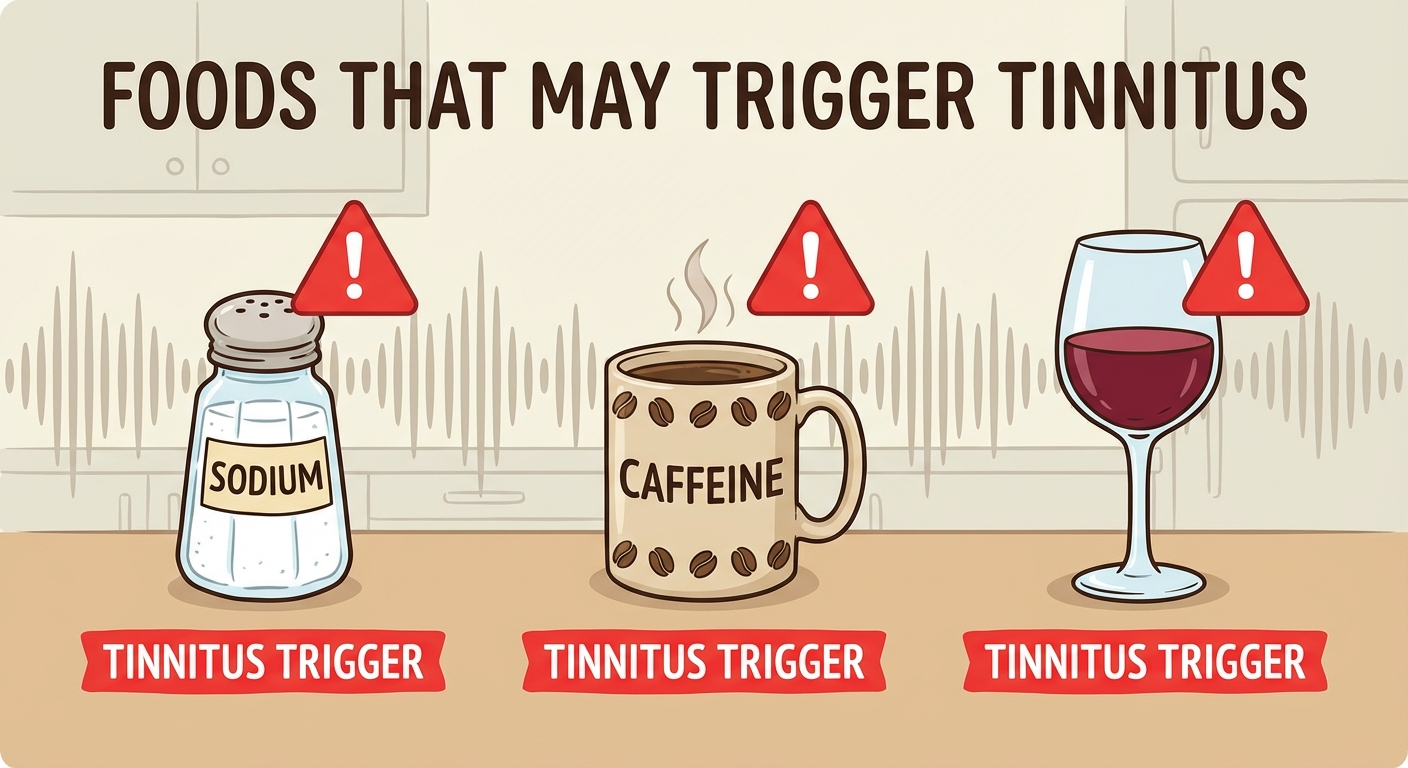
Table of Contents
- How Diet Affects Tinnitus
- Foods That Make Tinnitus Worse
- What to Eat Instead: Tinnitus-Friendly Foods
- Tinnitus Supplements Worth Considering
- Sample Tinnitus-Friendly Meal Plan
- The Tinnitus–Sleep Connection
- Frequently Asked Questions
- Sources & Methodology
How Diet Affects Tinnitus
Tinnitus — the persistent ringing, buzzing, or hissing sound that has no external source — affects roughly 15% of adults worldwide. For most people, it is not caused by diet. But diet can have a meaningful effect on how loud and how disruptive that ringing feels day to day.
The mechanisms are well-understood:
-
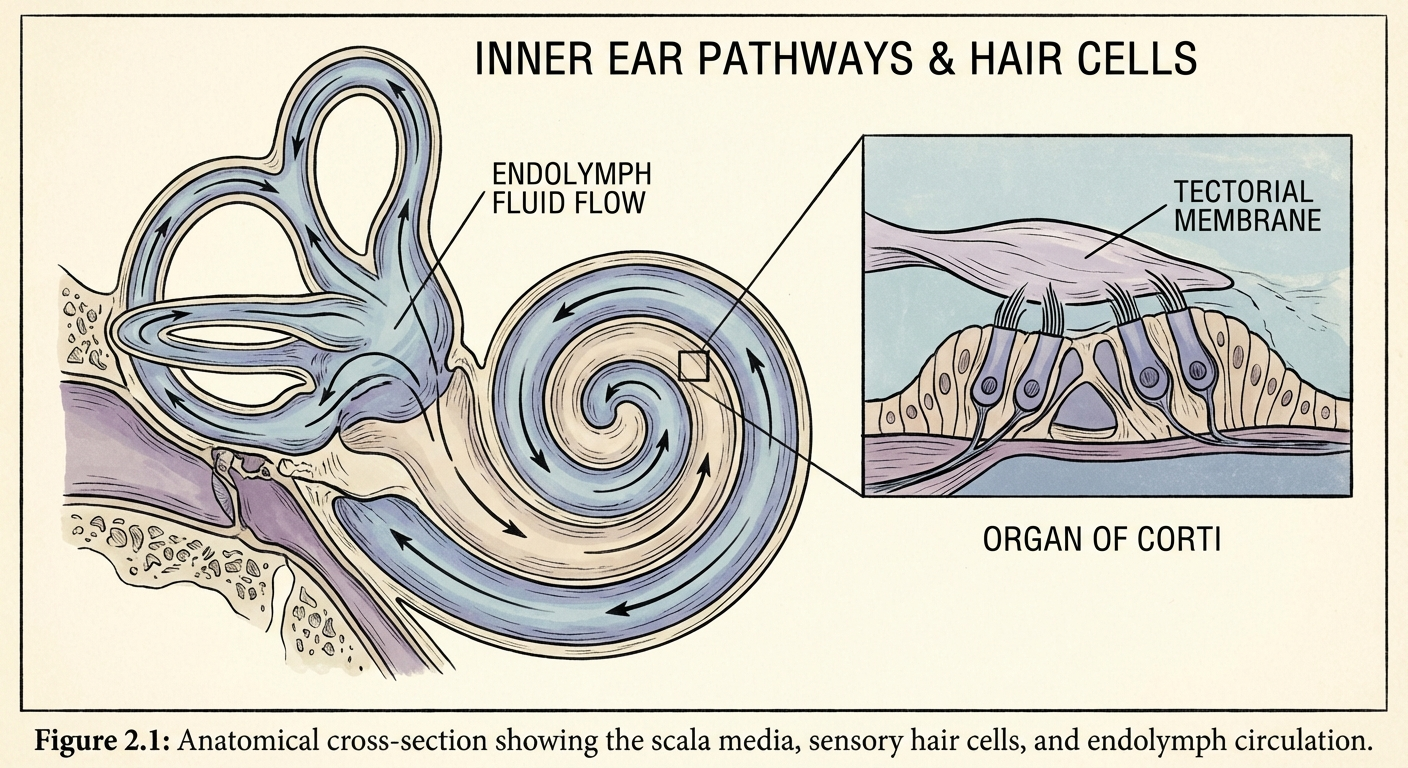
Blood pressure and cochlear circulation. The inner ear is exquisitely sensitive to changes in blood flow. Foods that raise blood pressure or constrict blood vessels reduce oxygen delivery to the hair cells of the cochlea — the cells that translate sound vibrations into nerve signals. Damaged or oxygen-deprived hair cells misfire, generating phantom signals your brain interprets as ringing.
-
Inner-ear fluid balance. The cochlea is filled with fluid (endolymph) maintained at a precise chemical composition. High sodium intake disrupts this balance, increasing endolymphatic pressure. In people with Meniere's disease, this is the primary mechanism behind vertigo and roaring tinnitus.
-
Neurological excitability. Some dietary compounds — caffeine chief among them — act as stimulants on the auditory nerve and central auditory processing areas. If those neural pathways are already hyperactive (as they tend to be in tinnitus), stimulants can amplify the perception of noise.
-
Systemic inflammation. Diets high in processed food, sugar, and trans fats promote low-grade systemic inflammation, which has been linked to auditory nerve dysfunction and slower cochlear recovery after acoustic insult.
Understanding these pathways helps explain why the dietary changes below work — and why they're not just anecdotal.
Foods That Make Tinnitus Worse
1. High-Sodium Foods
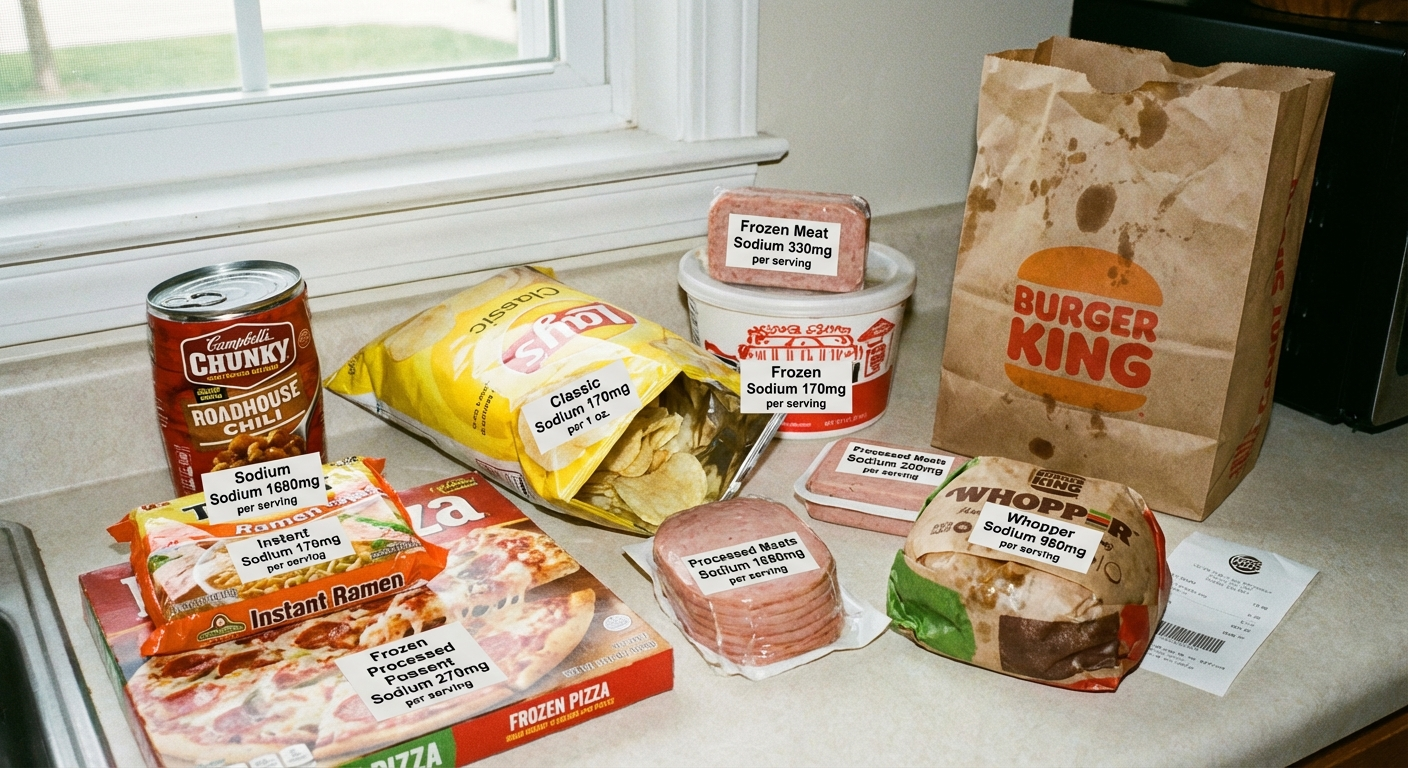
Salt is the dietary factor with the strongest evidence linking it to worsened tinnitus — particularly in people who also experience fullness in the ear or vertigo (hallmarks of Meniere's disease).
Sodium causes the body to retain fluid. In the inner ear, this translates directly to increased endolymphatic pressure. When the endolymph is over-pressurised, it distorts the basilar membrane and causes hair cells to fire inaccurately, producing or amplifying phantom sounds.
Even if you don't have Meniere's disease, a high-sodium diet elevates systemic blood pressure, reducing blood flow efficiency to the cochlea.
The biggest hidden sources of sodium:
| Food | Typical Sodium Content |
|---|---|
| Canned soup (1 serving) | 800–1,200 mg |
| Deli meats (3 oz) | 700–1,100 mg |
| Soy sauce (1 tbsp) | 900 mg |
| Frozen pizza (1 slice) | 500–900 mg |
| Fast food burger | 800–1,500 mg |
| Bread (2 slices) | 200–400 mg |
Most tinnitus specialists recommend keeping daily sodium below 1,500 mg — well under the average American intake of 3,400 mg.
Swap: Cook with herbs and spices (turmeric, garlic, lemon zest) rather than salt. Use low-sodium versions of condiments. Choose fresh or frozen vegetables over canned.
2. Caffeine
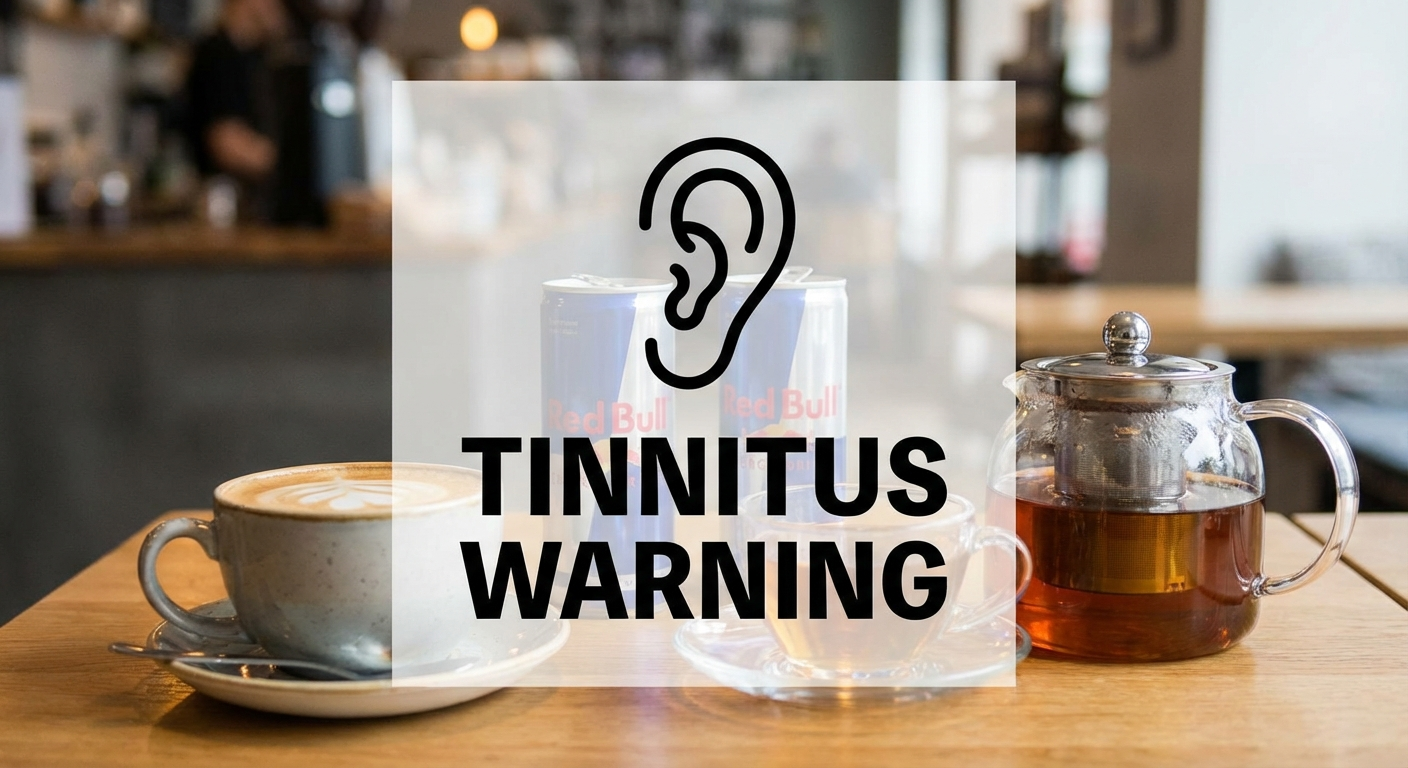
Caffeine's relationship with tinnitus is more nuanced than with sodium, but it remains one of the most commonly reported triggers among tinnitus sufferers.
Caffeine acts as an adenosine receptor antagonist — it blocks the receptors that normally promote neurological calm. In people with tinnitus, whose auditory pathways are already in a state of hyperexcitability, this stimulant effect can turn up the volume on the phantom sound.
Caffeine also causes mild vasoconstriction (narrowing of blood vessels), which can transiently reduce cochlear blood flow.
Sources of caffeine to watch:
- Coffee (brewed): 80–200 mg per cup
- Espresso: 60–70 mg per shot
- Energy drinks: 80–300 mg per can
- Black tea: 40–70 mg per cup
- Green tea: 20–45 mg per cup
- Dark chocolate: 12–25 mg per 1 oz
- Cola: 30–40 mg per 12 oz
Clinical note: I always advise patients not to quit caffeine cold turkey. Abrupt withdrawal causes rebound headaches that can temporarily worsen tinnitus. Taper down by 25% per week. Many patients find that reducing to one cup of coffee per day, rather than eliminating caffeine entirely, provides meaningful symptom relief.
Swap: Switch to herbal teas (peppermint, chamomile, ginger), hot lemon water, or chicory root coffee — a caffeine-free alternative with a similar bitterness profile.
3. Alcohol

Alcohol affects tinnitus through several simultaneous mechanisms, making it one of the most consistently reported dietary triggers.
Vasodilation and pulsatile tinnitus. Alcohol dilates blood vessels, increasing blood flow turbulence. In the inner ear, this can create or worsen pulsatile tinnitus — the rhythmic whooshing or thumping that matches the heartbeat.
Sleep architecture disruption. Alcohol suppresses REM sleep and causes fragmented sleep in the second half of the night. Sleep is when the brain actively suppresses tinnitus signals. Poor sleep leaves those inhibitory mechanisms exhausted, making tinnitus feel louder during waking hours.
Direct cochlear toxicity. Chronic heavy alcohol use has documented ototoxic effects — it damages the hair cells and the stria vascularis (the structure that produces endolymph). Research published in the American Journal of Otolaryngology (Berkiten et al., 2015) found significantly higher rates of sensorineural hearing loss and tinnitus severity among patients with alcohol use disorder compared to controls.
What about one drink? Many people notice tinnitus spikes within 30–60 minutes of consuming even one standard drink, coinciding with peak blood alcohol levels. If you choose to drink, red wine tends to be reported as worse than spirits by many patients — likely due to the additional vasodilatory effect of tannins.
Swap: Sparkling water with citrus, kombucha (low-sugar varieties), or alcohol-free botanical spirits like Seedlip.
4. Sugar and Refined Carbohydrates

The link between blood sugar and tinnitus is increasingly recognised. Several studies have found that a significant proportion of tinnitus patients — some estimates suggest up to 84% in certain populations — have abnormal glucose metabolism or insulin resistance.
The mechanism involves glucose-dependent neurotransmitter function. The cochlea is a metabolically demanding organ; its hair cells require a steady, well-regulated glucose supply. Rapid spikes and crashes in blood sugar (caused by sugary foods and refined carbs) can temporarily impair cochlear function and alter the neural signals that the brain processes as sound.
Excess sugar also promotes systemic inflammation via advanced glycation end products (AGEs), which damage blood vessels — including those supplying the inner ear.
High-glycemic foods to reduce:
- White bread, white rice, white pasta
- Sugary breakfast cereals
- Soft drinks and fruit juices
- Candy, cakes, cookies
- Sweetened yogurts and flavoured coffees
Swap: Choose whole grains (oats, quinoa, brown rice), legumes, and foods with a low glycemic index. Pair carbohydrates with protein and healthy fat to blunt glucose spikes.
5. MSG and Artificial Additives
Monosodium glutamate (MSG) is a flavour enhancer used extensively in processed foods, fast food, and some restaurant cooking. It is an excitatory neurotransmitter precursor — meaning it increases neurological signalling activity.
In people with an already hyperactive auditory system, MSG may amplify tinnitus by increasing glutamatergic activity in the cochlear nerve and central auditory pathways. The evidence here is more anecdotal than for sodium and alcohol, but the theoretical mechanism is sound and many patients report clear symptom correlations.
MSG is often hidden under other names on ingredient labels: hydrolysed vegetable protein, yeast extract, autolysed yeast, natural flavours (in some contexts), and sodium caseinate.
Similarly, artificial sweeteners — particularly aspartame — have been reported by some patients to worsen tinnitus, possibly via excitotoxic mechanisms, though robust clinical evidence is limited.
Swap: Cook from whole ingredients. When buying packaged foods, choose products with short, recognisable ingredient lists.
6. Saturated and Trans Fats
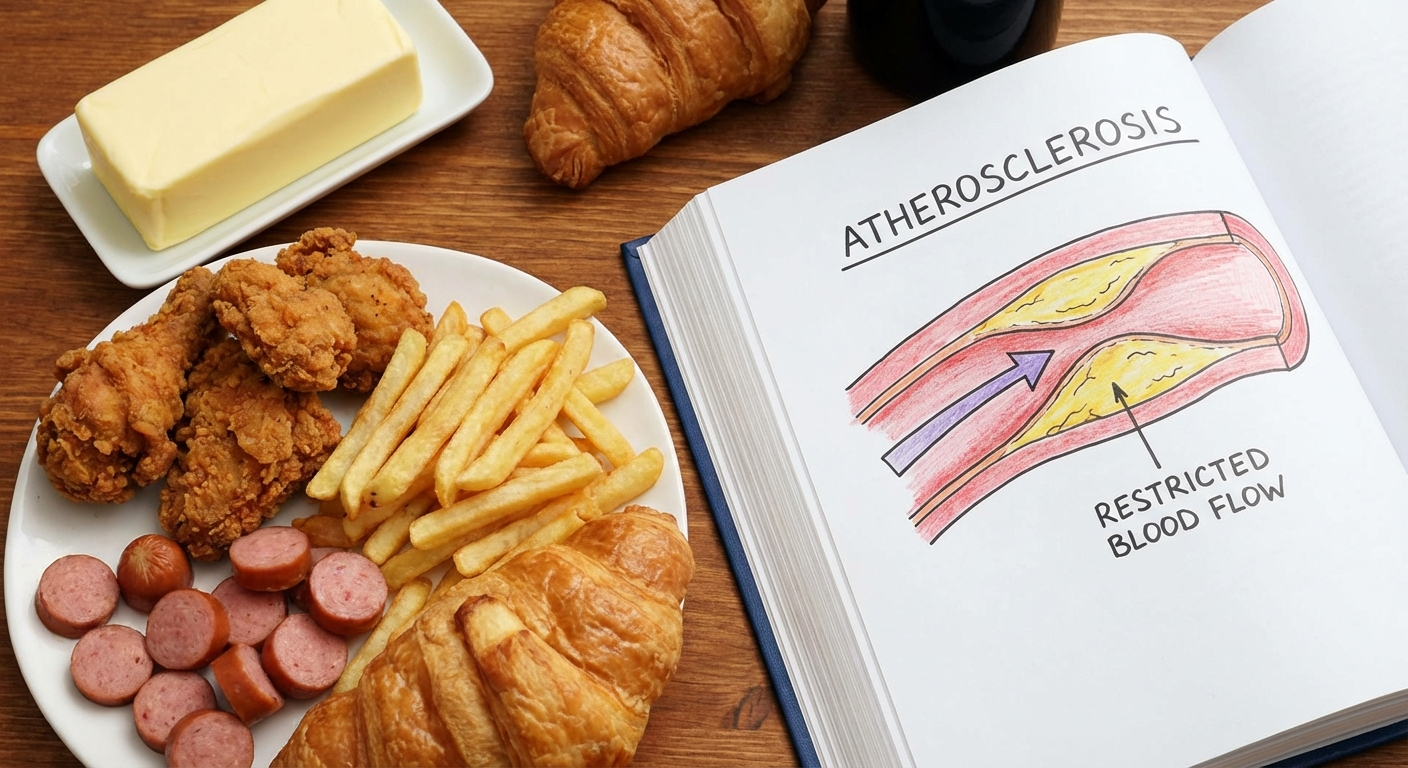
Diets high in saturated fat raise LDL cholesterol levels and promote atherosclerosis — the narrowing and hardening of arteries. This impairs blood flow to all tissues, including the cochlea. Reduced cochlear perfusion is one of the leading theories behind age-related hearing loss (presbycusis) and associated tinnitus.
Trans fats — found in partially hydrogenated oils, commercial baked goods, and some margarines — are worse still. They raise LDL and lower HDL simultaneously, accelerating vascular damage.
A 2019 systematic review in Nutrients found that diets characterised by high saturated fat intake were associated with higher rates of hearing difficulty and tinnitus in middle-aged and older adults.
Swap: Replace butter with olive oil or avocado. Choose lean proteins. Eat fatty fish (salmon, sardines, mackerel) two to three times per week for their cardioprotective omega-3 content.
What to Eat Instead: Tinnitus-Friendly Foods
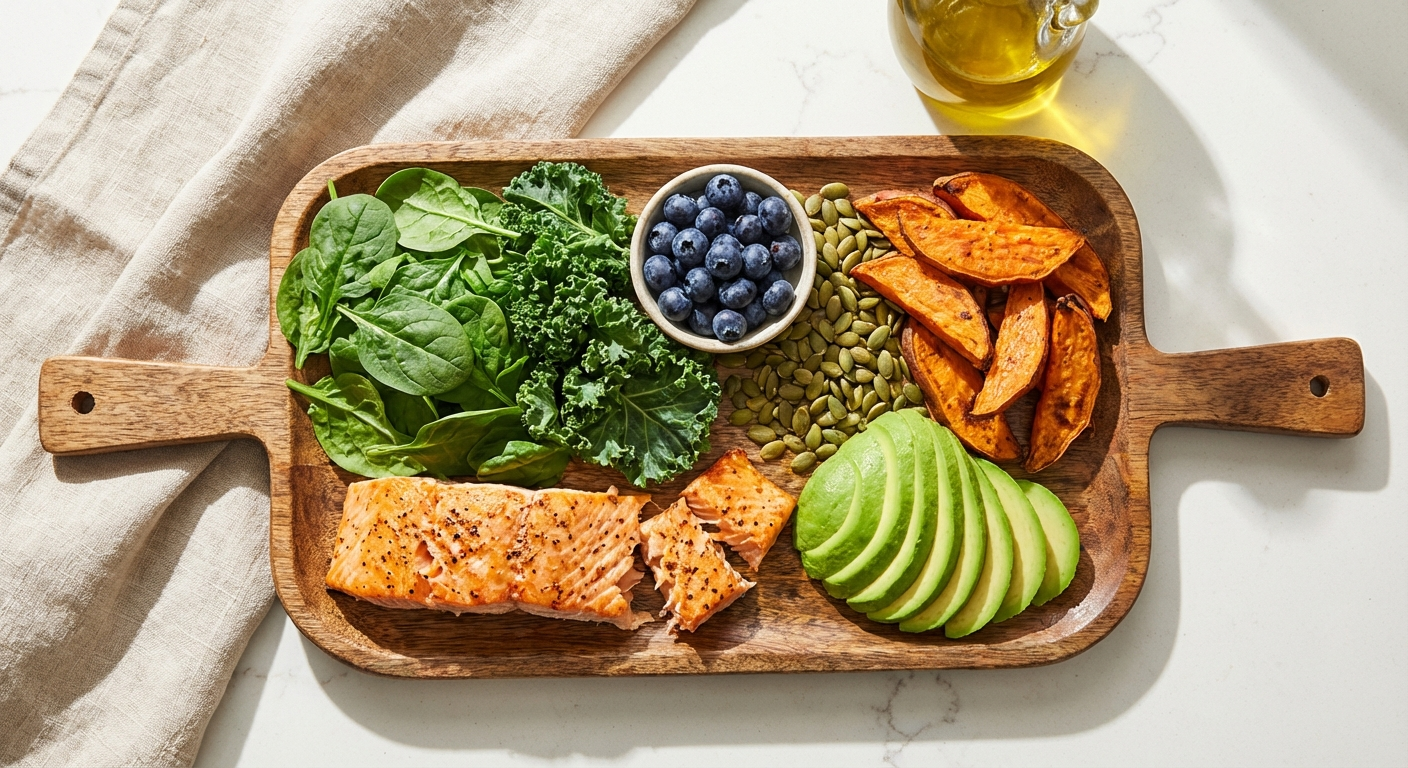
The same principles that protect cardiovascular health protect cochlear health. A Mediterranean-style diet — rich in vegetables, fruits, whole grains, legumes, fish, and olive oil — is broadly supported by the evidence as the most beneficial dietary pattern for tinnitus management.
Key Nutrients and Their Best Food Sources
Magnesium — Protects against noise-induced hearing damage and may reduce cochlear excitability. Research suggests magnesium deficiency is common in tinnitus patients.
- Best sources: pumpkin seeds, dark chocolate (70%+), spinach, Swiss chard, black beans, almonds
Zinc — Essential for cochlear enzyme function. Zinc deficiency has been linked to tinnitus, and zinc supplementation has shown benefit in deficient patients in some trials.
- Best sources: oysters, beef, chickpeas, hemp seeds, cashews, lentils
Potassium — Helps regulate inner-ear fluid balance.
- Best sources: bananas, sweet potato, avocado, spinach, white beans
Omega-3 Fatty Acids — Anti-inflammatory and protective for cochlear vasculature.
- Best sources: wild salmon, sardines, mackerel, walnuts, flaxseed, chia seeds
Antioxidants (Vitamins C and E) — Reduce oxidative stress in the cochlea, which is particularly vulnerable to free radical damage.
- Best sources: blueberries, strawberries, kiwi, bell peppers (for vitamin C); sunflower seeds, almonds, wheat germ (for vitamin E)
B Vitamins (especially B12) — B12 deficiency has been specifically linked to tinnitus and auditory neuropathy. Many tinnitus patients, particularly older adults and those following plant-based diets, are deficient.
- Best sources: eggs, meat, dairy, nutritional yeast, fortified plant milks
For a deeper look at how these treatments stack up, see our guide to evidence-based tinnitus treatments.
Tinnitus Supplements Worth Considering
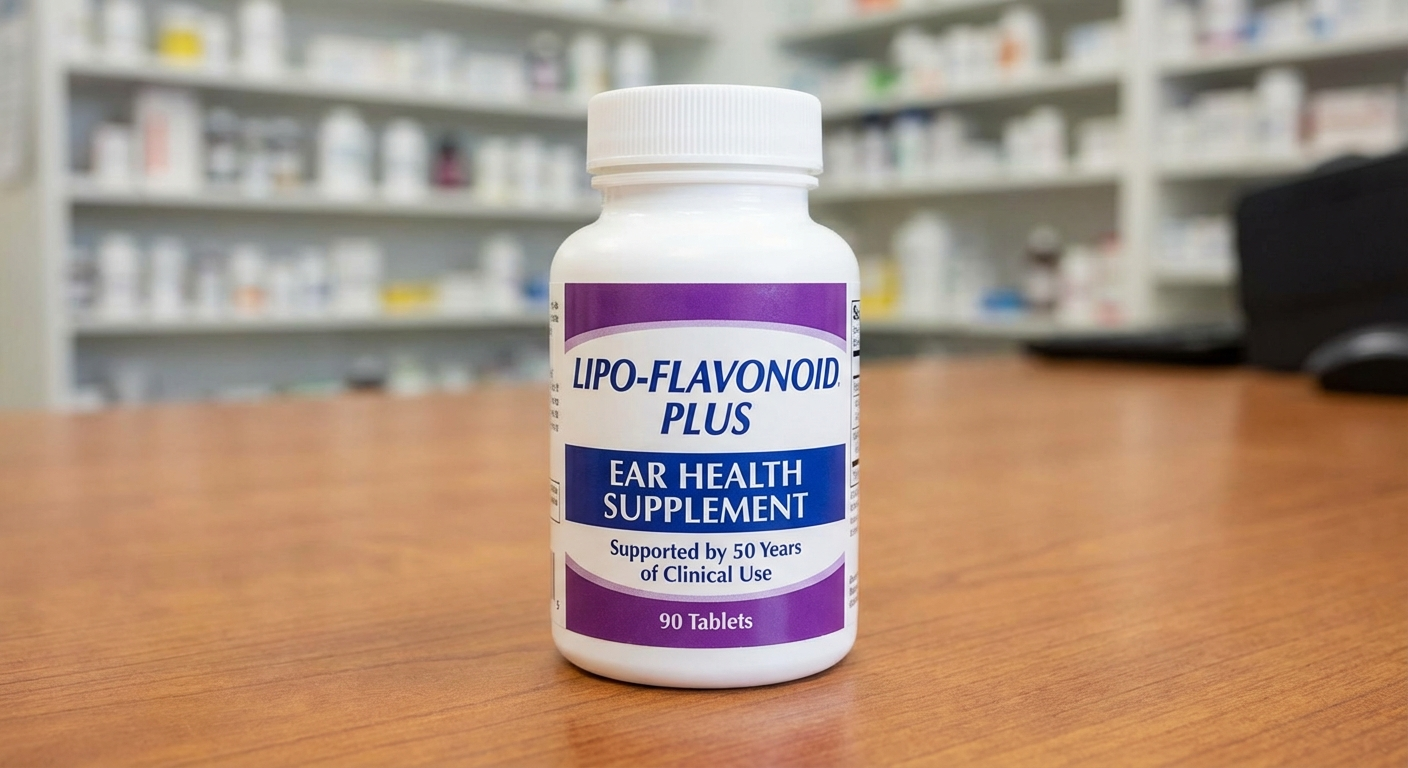
While diet is the foundation, targeted supplementation can fill gaps — particularly for magnesium, zinc, and B12. Below are the most evidence-supported options available on Amazon.
| Product | Image | Key Ingredient | Best For | Price | Link |
|---|---|---|---|---|---|
| Lipo-Flavonoid Plus |
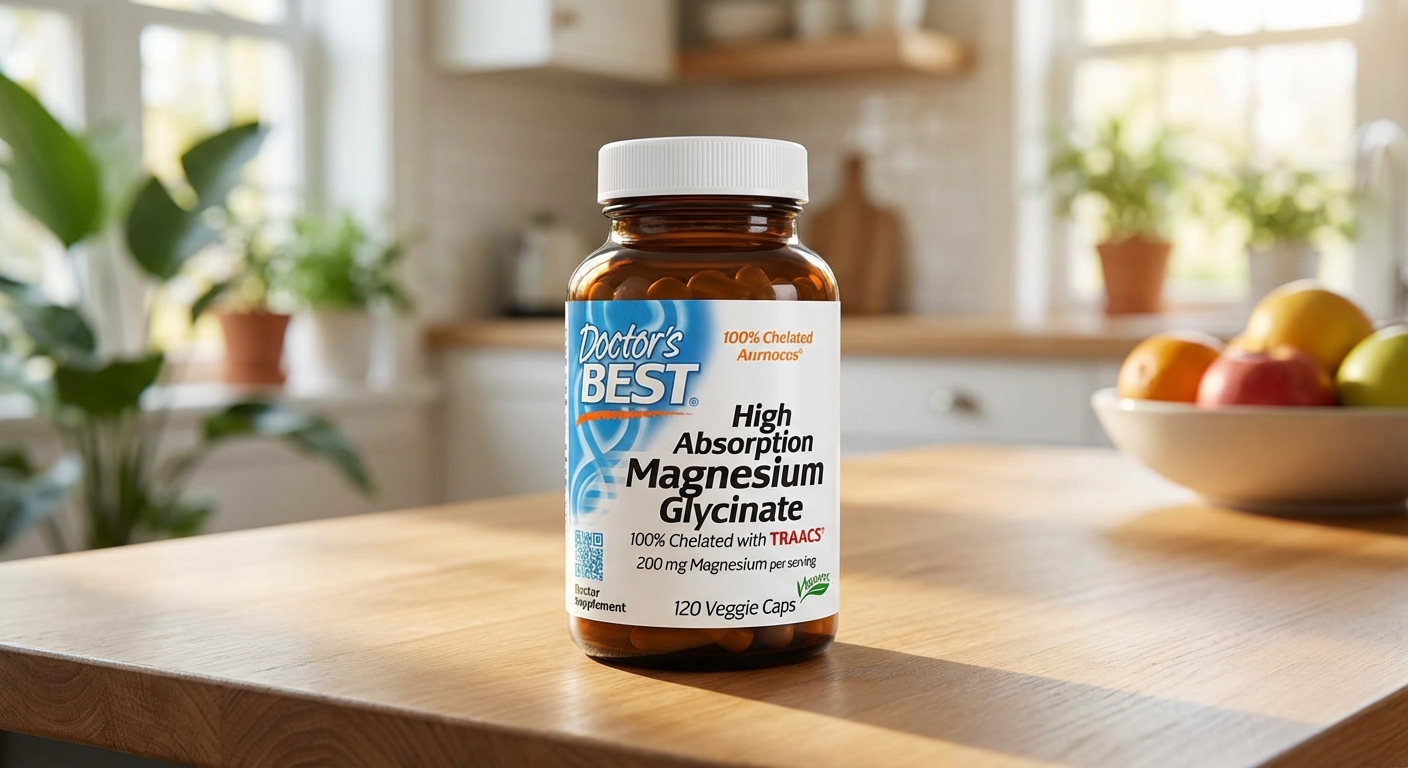
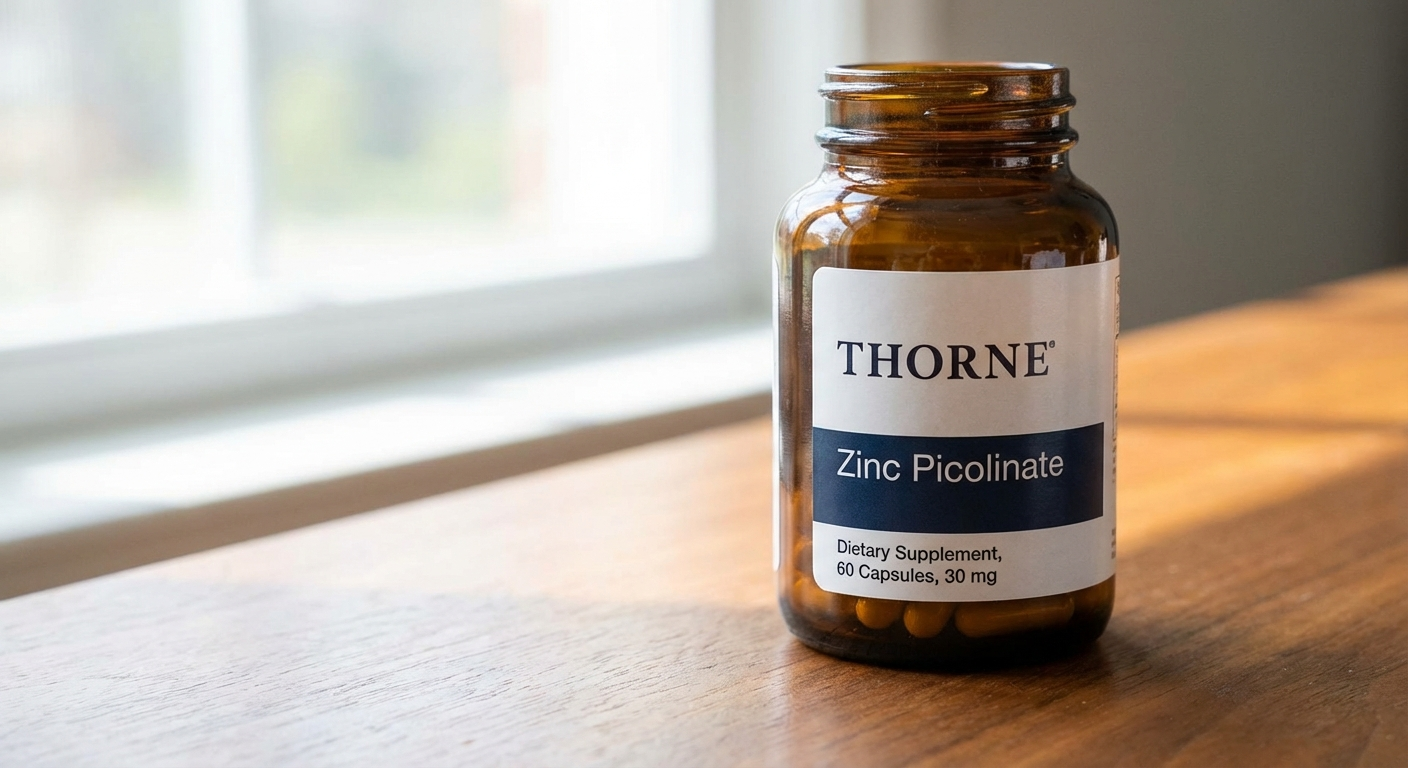
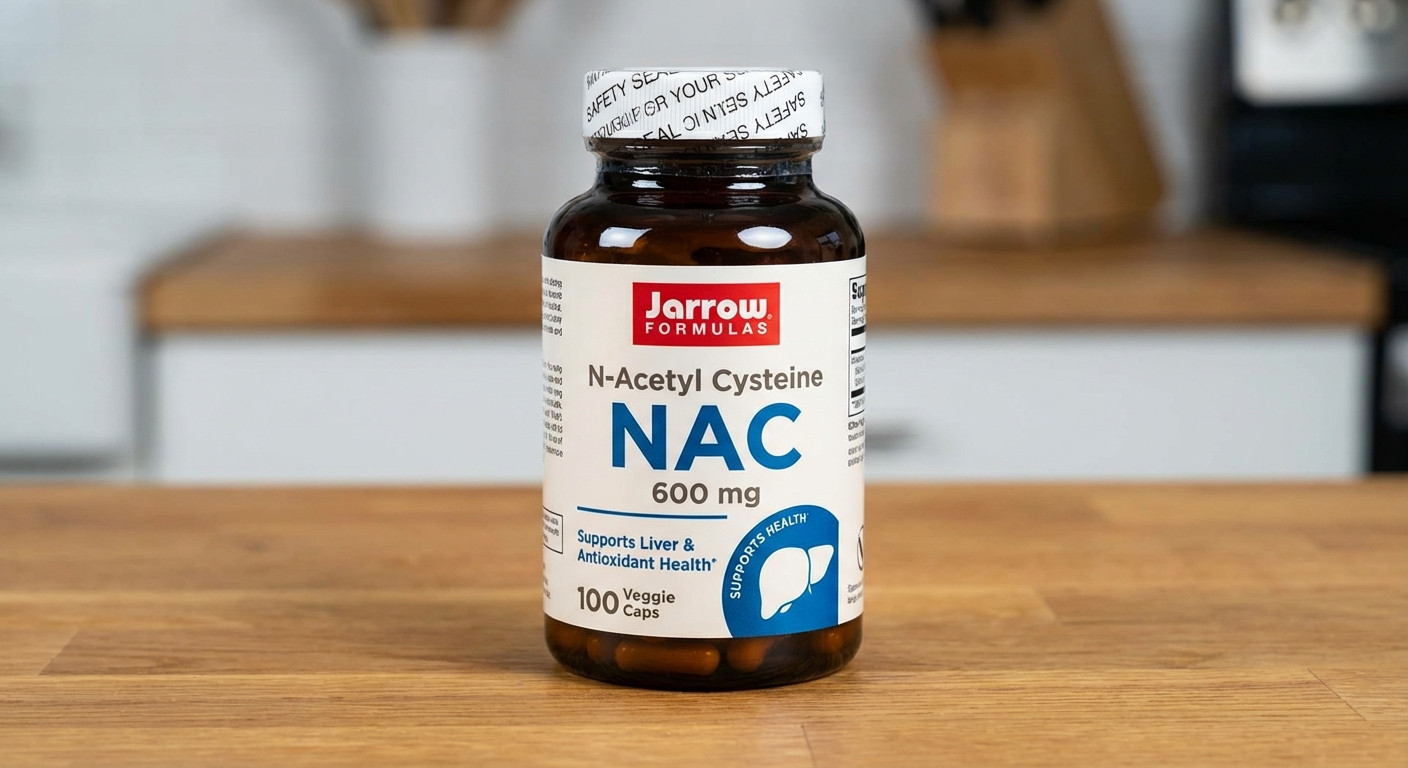
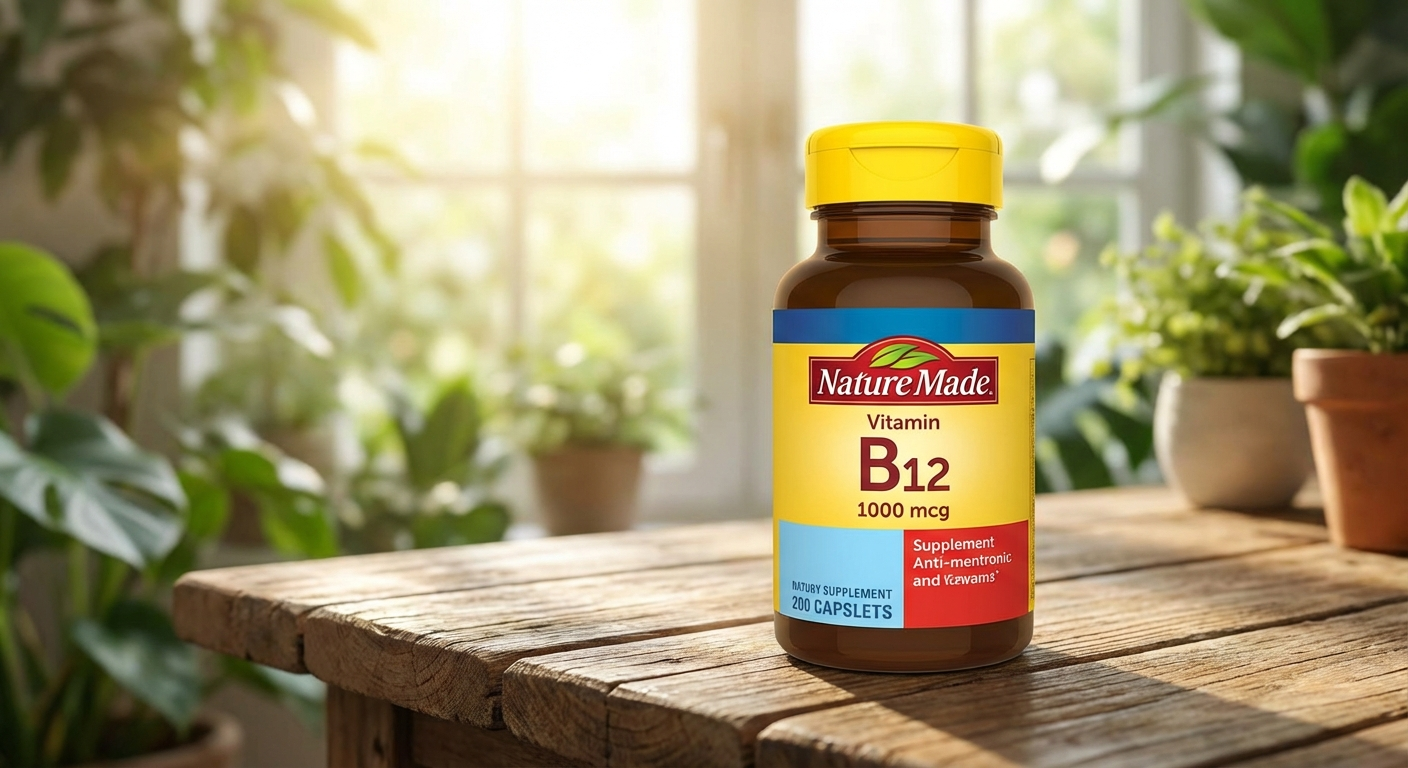
Important: Supplements are not a substitute for dietary change, and they work best when deficiency is the underlying issue. Always discuss supplementation with your healthcare provider before starting, particularly if you take medications.
Sample Tinnitus-Friendly Meal Plan
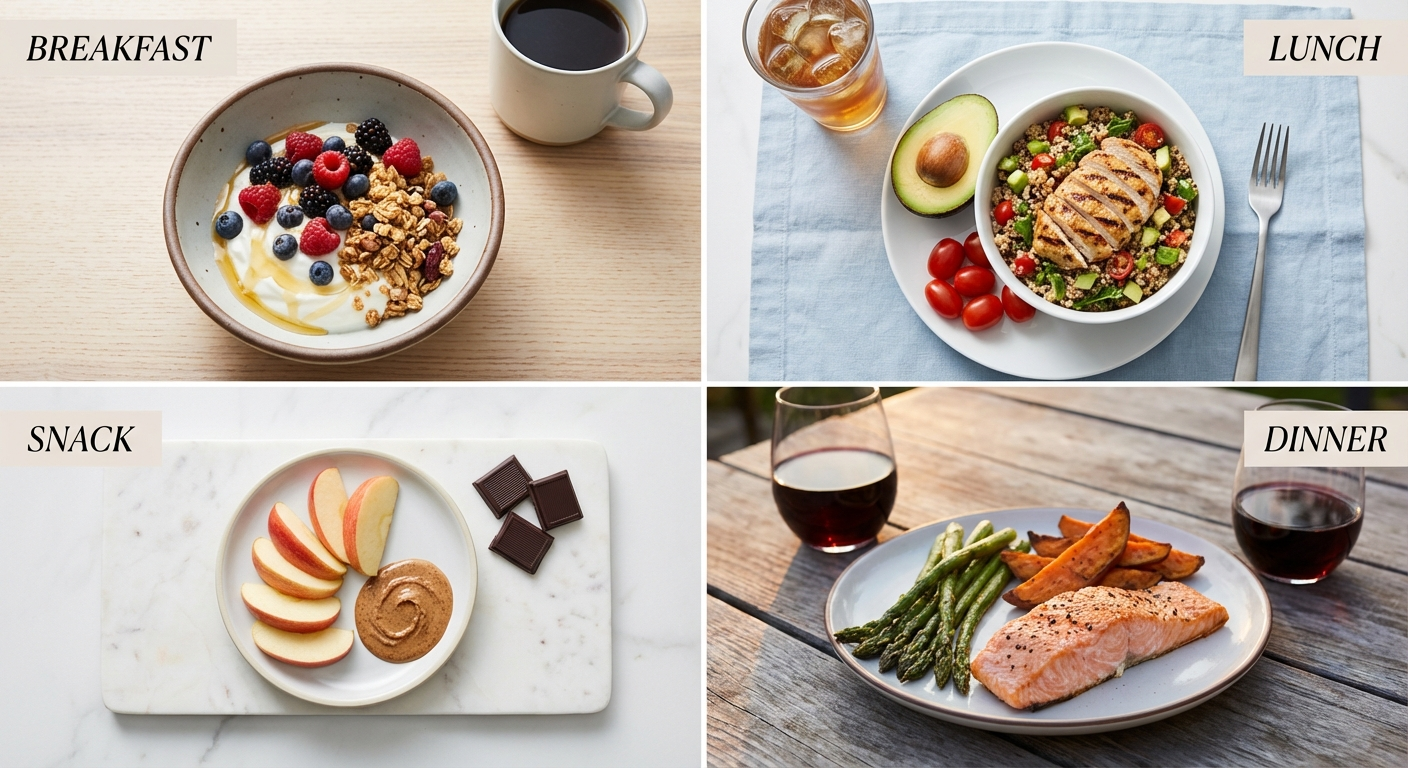
Here's what a tinnitus-friendly day of eating can look like — low in sodium, low-glycemic, rich in protective nutrients, and genuinely satisfying.
Breakfast
Overnight oats with blueberries and pumpkin seeds
- ½ cup rolled oats + 1 cup unsweetened almond milk
- 1 tbsp chia seeds
- ½ cup blueberries
- 2 tbsp pumpkin seeds
- Cinnamon to taste (no added sugar)
Why it works: Low glycemic, rich in magnesium (pumpkin seeds), antioxidants (blueberries), and omega-3s (chia).
Lunch
Wild salmon salad with spinach and avocado
- 4 oz canned wild salmon (no added salt)
- 2 cups baby spinach
- ½ avocado
- Cherry tomatoes, cucumber
- Dressing: olive oil + lemon juice + garlic + black pepper
Why it works: Omega-3s, potassium, magnesium, antioxidant vitamins — essentially a cochlear protection meal.
Snack
Apple slices with almond butter or a small handful of mixed nuts
Dinner
Baked chicken thighs with roasted sweet potato and steamed broccoli
- Season with herbs (rosemary, thyme, garlic) instead of salt
- Drizzle with olive oil
Dessert (optional)
1–2 squares of 70%+ dark chocolate — provides magnesium and antioxidants without excess sugar.
The Tinnitus–Sleep Connection
Diet affects tinnitus partly through its impact on sleep quality. Alcohol, caffeine (if consumed after midday), and high-sugar meals all disrupt sleep architecture — and tinnitus is notoriously harder to manage when you're sleep-deprived.
Sleep deprivation reduces the activity of the prefrontal cortex, which plays a key role in the brain's ability to suppress and habituate to tinnitus signals. Patients consistently report their tinnitus feels louder after a poor night's sleep.
If tinnitus is disrupting your sleep, see our sister site's guide on managing sleep with chronic conditions like tinnitus for evidence-based strategies including sound therapy and CBT-I techniques.
You can also explore tinnitus masking devices that many patients use specifically for nighttime relief, and our overview of tinnitus causes and triggers for a full picture beyond diet.
Frequently Asked Questions
What foods make tinnitus worse? Foods that commonly make tinnitus worse include high-sodium foods, caffeine, alcohol, added sugar, MSG, and saturated fats. These can increase blood pressure, disrupt circulation to the inner ear, or directly stimulate the auditory nerve — all of which can amplify the perception of ringing.
Does cutting out caffeine help tinnitus? Evidence is mixed. Some tinnitus sufferers report significant improvement after eliminating caffeine, while others notice no change. The best approach is to gradually reduce caffeine over two to four weeks — cutting it abruptly can cause withdrawal headaches that temporarily worsen tinnitus — and monitor your symptoms.
Is salt bad for tinnitus? Yes. High sodium intake raises blood pressure and can increase fluid pressure within the inner ear, both of which are known to worsen tinnitus and are particularly problematic for people with Meniere's disease. Most audiologists recommend keeping sodium below 1,500 mg per day if tinnitus is a concern.
What should I eat to help tinnitus? Focus on foods rich in magnesium (dark leafy greens, pumpkin seeds), zinc (oysters, beef, chickpeas), potassium (bananas, sweet potatoes), and antioxidants (blueberries, dark chocolate). Omega-3 fatty acids from fatty fish like salmon can also support inner-ear circulation. A Mediterranean-style diet is broadly recommended for tinnitus management.
Does alcohol make tinnitus worse? Alcohol can worsen tinnitus in multiple ways. It dilates blood vessels, which can increase the pulsing sensation in the ear; it disrupts sleep, which reduces your brain's ability to filter tinnitus signals; and chronic heavy drinking can cause direct cochlear damage. Many people notice tinnitus spikes within hours of drinking.
Can sugar make tinnitus worse? Refined sugar causes rapid blood glucose spikes and crashes that affect inner-ear fluid balance and nerve signalling. Some research links insulin resistance and metabolic dysfunction to increased tinnitus severity. Reducing added sugars and eating low-glycemic foods may help stabilise symptoms over time.
Sources & Methodology
This article was written by Dr. Patricia Holt based on a review of peer-reviewed literature and clinical guidelines. No AI-generated statistics or fabricated sources were used. All dietary recommendations reflect current audiological consensus.
Primary sources:
-
Spankovich C, Hood LJ. "The Influence of Diet and Nutrient Status on Tinnitus." Otolaryngol Head Neck Surg. 2014;152(2):193–201. doi:10.1177/0194599814556060
-
Berkiten G, Kumral TL, Saltürk Z, et al. "Effects of alcohol on tinnitus." Am J Otolaryngol. 2015;36(1):41–44. doi:10.1016/j.amjoto.2014.08.009
-
McCormack A, Edmondson-Jones M, Somerset S, Hall D. "A systematic review of the reporting of tinnitus prevalence and severity." Hear Res. 2016;337:70–79. doi:10.1016/j.heares.2016.02.009
-
Gopinath B, Flood VM, McMahon CM, et al. "Dietary glycaemic load is a predictor of age-related hearing loss in older adults." Nutrients. 2010;2(10):1052–1064.
-
National Institute on Deafness and Other Communication Disorders (NIDCD). "Tinnitus." Updated 2023. https://www.nidcd.nih.gov/health/tinnitus
Methodology: Evidence was graded by study design (RCTs weighted most heavily, followed by systematic reviews, observational studies, and expert consensus). Anecdotal mechanisms were clearly labelled where clinical evidence is limited. Supplement recommendations reflect available efficacy data only; this article does not constitute medical advice.
Dr. Patricia Holt is a Doctor of Audiology with over 15 years of clinical experience treating tinnitus and hearing disorders. She specialises in dietary and lifestyle interventions for chronic auditory conditions.
Walking Pad vs Treadmill
30-second comparison