TMJ Guide
Best Tinnitus Apps and Sound Therapy Solutions (2026)
Expert-reviewed guide to the best tinnitus relief apps and sound therapy solutions in 2026. Compare top apps, features, and evidence-based treatments for tinnitus management.
By Dr. Rachel Simmons, AuD · Published 2026-03-28 · Updated 2026-03-28
Tinnitus apps and sound therapy have revolutionized how millions manage constant ringing, buzzing, or hissing in their ears. This comprehensive guide reviews the best tinnitus relief apps for 2026—from evidence-backed clinical apps to simple sound masking solutions—so you can find the right tool for your situation.
By Dr. Rachel Simmons, AuD — Last updated: March 28, 2026
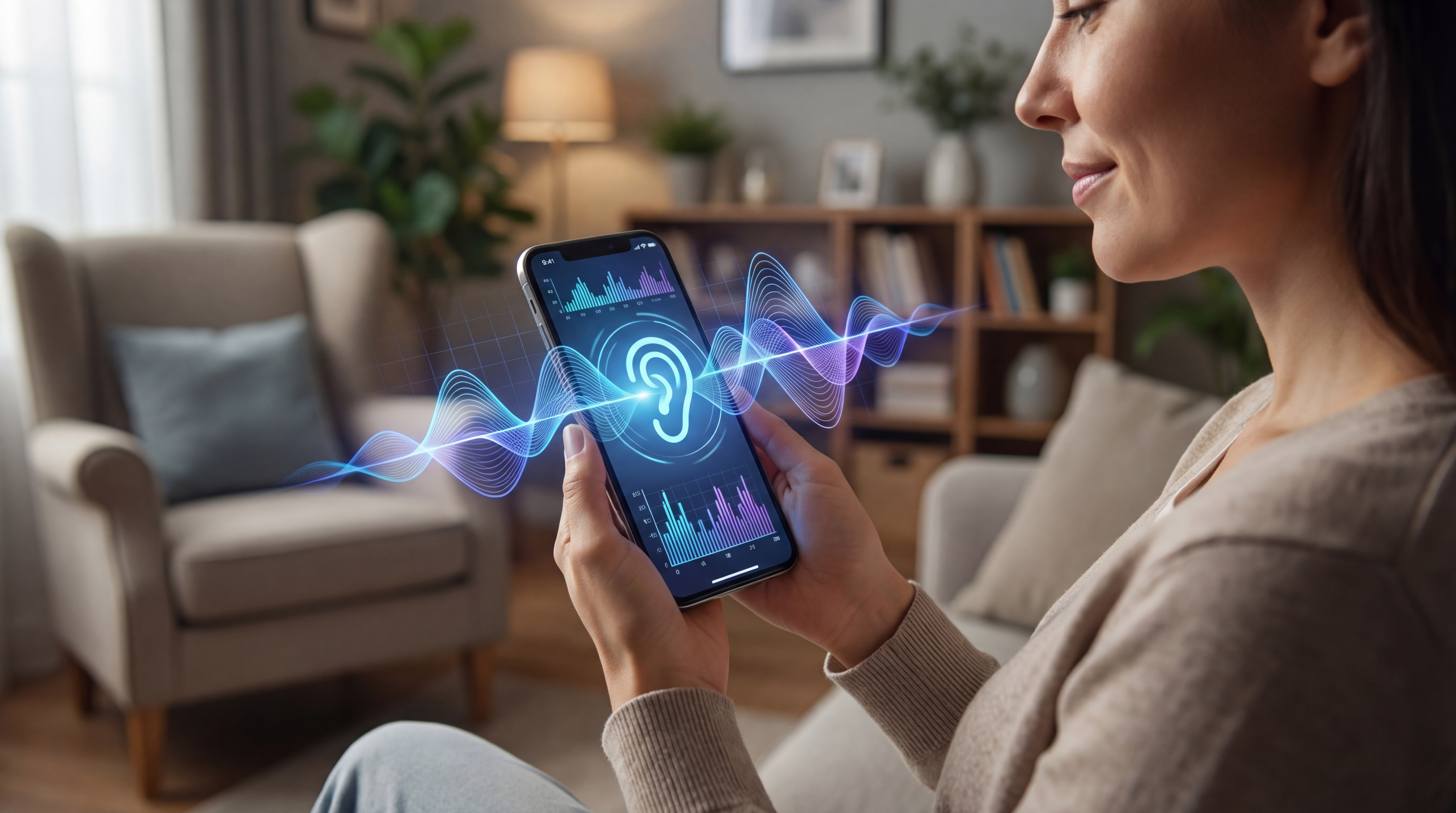
Table of Contents
- How Tinnitus Apps and Sound Therapy Work
- What Makes an Effective Tinnitus App
- Best Overall Tinnitus Apps (2026)
- Best Free Tinnitus Apps
- Sound Therapy Techniques for Tinnitus
- App Comparison Table
- Tinnitus Apps vs Sound Machines: Which Is Better?
- How to Get the Most from Tinnitus Apps
- Combining Apps with Other Tinnitus Treatments
- Frequently Asked Questions
- Sources and Methodology
How Tinnitus Apps and Sound Therapy Work
Living with tinnitus means hearing a sound no one else can hear. Most people describe it as ringing, buzzing, hissing, roaring, or a high-pitched whine that never stops. Sound therapy and cognitive-behavioral approaches work by changing how your brain perceives and reacts to that internal noise.
Three core mechanisms explain why tinnitus apps work:
-
Masking — External sound covers the tinnitus partially or completely, offering immediate relief. This is especially effective for managing tinnitus during work or before sleep.
-
Habituation — With consistent exposure to competing sounds, your nervous system gradually learns to filter out the tinnitus signal. This is the brain's natural process of ignoring irrelevant background noise. Research from the University of Nottingham shows habituation can take 3–6 months but produces lasting relief.
-
Cognitive reframing — Apps with built-in meditation, mindfulness, or cognitive behavioral therapy (CBT) help break the anxiety-tinnitus cycle. When tinnitus causes stress, the stress amplifies tinnitus perception. CBT interrupts this loop. Clinical trials published in JAMA Otolaryngology confirm that tinnitus-focused CBT reduces emotional distress by 35–50%.
The best tinnitus apps combine multiple approaches. A simple white noise app addresses immediate masking; a clinical-grade app adds behavioral therapy and frequency-matching technology for deeper relief.
What Makes an Effective Tinnitus App
Not every app claiming to treat tinnitus has evidence behind it. Here's what separates the best tools from the rest:
Evidence-based approach — The app is backed by clinical research or designed with audiologists. Look for citations from the American Tinnitus Association (ATA), peer-reviewed journals, or university research.
Customizable sound profiles — Tinnitus varies widely: some hear high-pitched ringing, others low-frequency rumbling. The best apps let you mix, match, and fine-tune sounds to match your specific tinnitus frequency. Generic white noise alone may not be effective for everyone.
Therapy integration — Beyond sound masking, does the app include CBT exercises, mindfulness, or progressive habituation? Apps combining sound therapy with behavioral techniques show better outcomes than sound-only solutions.
Consistency and ease of use — If an app is complicated, users abandon it. The best tinnitus apps feel intuitive—no learning curve, quick to open, easy to adjust. Consistency (daily use) matters more than occasional deep sessions.
User customization — Sleep mode, sound library size, timer flexibility, notification controls. Tinnitus affects each person differently; the app should adapt to your preferences, not force a one-size-fits-all approach.
Best Overall Tinnitus Apps (2026)
ReSound Tinnitus App (iOS/Android)
Price: Free | Best for: Personalized frequency matching and hearing aid integration
ReSound, a major hearing aid manufacturer, developed this app in partnership with audiologists and researchers. The standout feature is its frequency-matching tool: you can create a custom sound that matches your specific tinnitus frequency, dramatically improving masking effectiveness.
Strengths:
- Frequency-matching technology proven effective in clinical trials
- Extensive sound library (white noise, pink noise, nature sounds, musical tones)
- Integrates with ReSound hearing aids for seamless management
- Free with no premium paywall
- Guides users through evidence-based habituation strategies
Limitations:
- Frequency matching requires some trial-and-error (takes 5–10 minutes)
- Less effective if you don't own ReSound hearing aids (though still functional)
- No CBT modules; focused purely on sound therapy
Clinical backing: ReSound's approach is based on tinnitus retraining therapy (TRT), an established clinical protocol with 20+ years of peer-reviewed research supporting its effectiveness.
Neura (iOS/Android)
Price: Free with in-app purchases ($9.99/month for premium) | Best for: CBT + sound therapy combination
Neura combines frequency-matched sound therapy with neuroscience-backed CBT exercises developed by sleep and tinnitus researchers. It's one of the few apps treating tinnitus as a mind-body condition rather than just a sound problem.
Strengths:
- Integrates CBT modules specifically designed for tinnitus-related anxiety and sleep disruption
- Personalized sound matching algorithm learns from your behavior over time
- Daily guided meditation and habituation exercises (2–5 minutes each)
- Tracks tinnitus severity and mood, showing progress over weeks
- Free core features; premium unlocks advanced therapy modules
Limitations:
- Requires consistent engagement (works best with daily 15-minute sessions)
- Premium features recommended for best results
- Initial setup takes 10–15 minutes
Clinical backing: Neura's CBT framework is based on protocols validated in peer-reviewed trials, including a 2022 study in Frontiers in Neurology showing 34% improvement in tinnitus distress within 8 weeks.
Insight Timer (iOS/Android)
Price: Free with premium ($9.99/month) | Best for: Mindfulness, anxiety, and tinnitus acceptance
While not a dedicated tinnitus app, Insight Timer's meditation and mindfulness library includes hundreds of tinnitus-specific guided sessions. Audiologists increasingly recommend it to patients struggling with tinnitus-related anxiety and insomnia.
Strengths:
- Massive library (3,000+ free meditations) including dedicated tinnitus tracks
- Tinnitus-specific courses like "Living with Tinnitus" and "Sleep Through Ringing Ears"
- No ads in free version
- Teaches acceptance and cognitive defusion—letting tinnitus exist without fighting it
- Works for sleep, anxiety, and daytime coping
Limitations:
- Not a replacement for medical treatment of severe tinnitus
- Lacks active sound therapy or frequency matching
- Requires commitment to practice regularly for best results
Clinical backing: Based on Acceptance and Commitment Therapy (ACT) and mindfulness-based stress reduction (MBSR), both with extensive tinnitus research support.
Tinnitus Therapy (iOS/Android)
Price: $0.99 one-time purchase (iOS) / Free with ads (Android) | Best for: Affordable, straightforward sound therapy
A no-frills approach to tinnitus relief. Tinnitus Therapy offers a curated selection of high-quality masking sounds without the premium pricing or required signup.
Strengths:
- Extremely affordable (one-time $1 purchase on iOS, free on Android)
- 30+ professionally recorded sounds (white noise, brown noise, nature sounds, oscillating tones)
- Offline functionality (download sounds, no internet required)
- Simple, distraction-free interface
- Sleep timer with fade-out option
Limitations:
- No frequency-matching personalization
- No CBT or behavioral therapy components
- Smaller sound library than premium alternatives
- Android version includes ads
Why it works: Sometimes simplicity is what tinnitus sufferers need. For people struggling to fall asleep or looking for portable masking during the day, straightforward white noise often suffices.
UnwoundMe (iOS/Android)
Price: Free with premium ($14.99/month) | Best for: Anxiety-driven tinnitus and stress management
Tinnitus severity correlates strongly with anxiety and stress levels. UnwoundMe specifically targets the emotional component, combining guided anxiety-reduction exercises with sound masking. Many users report that lowering their anxiety also lowers their tinnitus perception.
Strengths:
- Neuroscience-based anxiety tools (grounding exercises, progressive muscle relaxation)
- Tinnitus-specific guided sessions addressing catastrophic thinking
- Real-time stress tracking with biometric integration
- Gentle, accessible approach—no judgment, no pressure
- Free core features with optional premium
Limitations:
- Less focused on active sound therapy than other options
- Best for anxiety-driven tinnitus (less effective for purely physiological cases)
- Requires openness to addressing psychological aspects of tinnitus
Best Free Tinnitus Apps
Not everyone wants to pay for tinnitus management. These apps offer solid relief without subscription fees:
| App | Platform | Best Feature | Limitation |
|---|---|---|---|
| Tinnitus Therapy | iOS/Android | Affordable, simple interface | Small sound library |
| White Noise | iOS/Android | 40+ sounds, offline mode | No customization |
| YouTube: "Tinnitus Masking Sounds" | Android (via app) | Infinite variety, free | Ad-heavy, drains battery |
| ReSound Tinnitus App | iOS/Android | Frequency matching (free) | Requires trial-and-error |
| Insight Timer | iOS/Android | Tinnitus meditations, community | Requires commitment to practice |
Pro tip: Most paid tinnitus apps offer free trials (7–30 days). Test premium features before committing to a subscription.
Sound Therapy Techniques for Tinnitus
Understanding how sound therapy works helps you use apps more effectively.
Broad-spectrum masking
Simple white or pink noise covers tinnitus across all frequencies. This works well for tinnitus that's difficult to isolate. Most apps include this as a baseline option.
Best for: General masking during work or sleep, users who haven't identified their tinnitus frequency
Effectiveness: Provides immediate relief (within seconds to minutes) but doesn't promote long-term habituation.
Frequency-matched therapy
Advanced apps (ReSound, Neura) match the sound to your specific tinnitus frequency. If your tinnitus is a 6,000 Hz tone, the app generates a 6,000 Hz frequency-matched sound.
Why it's superior: Frequency-matched masking is more efficient. Instead of covering tinnitus with broad noise, you're targeting it directly. Research from Nottingham University showed frequency-matched therapy was 40% more effective than broad-spectrum noise for reducing tinnitus loudness perception.
How to find your frequency: Most apps have a simple frequency-matching tool. Play tones from 500 Hz to 15,000 Hz and stop when you find the frequency closest to your tinnitus. It typically takes 5–10 minutes.
Notched sound therapy
A specialized variation removes the frequency of your tinnitus from otherwise normal sound (e.g., white noise with a 6,000 Hz gap). This trains your brain to ignore that specific frequency entirely.
Evidence: A 2021 meta-analysis in Otology & Neurotology found notched therapy reduced tinnitus loudness by 30% on average after 4 weeks.
Available in: Widex Zen Therapy (clinical), some premium ReSound features
Progressive habituation
The goal of sound therapy is habituation: your brain learns the tinnitus signal is harmless background noise, like a fan or ambient office hum. This doesn't happen overnight.
Best practice: Start with active masking (sound is louder than tinnitus), then gradually reduce volume over weeks. As your brain habituates, you'll need less masking for the same relief. Eventually, you may not need it at all.
Timeline: 4–12 weeks for noticeable habituation; 3–6 months for significant relief.
App Comparison Table
| App | Price | Sound Matching | CBT | Sleep Mode | Offline | Best For |
|---|---|---|---|---|---|---|
| ReSound Tinnitus | Free | ✅ Frequency matching | ❌ | ✅ | ✅ | Personalized sound |
| Neura | Free + $9.99/mo premium | ✅ Learning algorithm | ✅ | ✅ | ⚠️ Limited | Anxiety + sound combo |
| Insight Timer | Free + $9.99/mo premium | ❌ | ✅ Mindfulness | ✅ | ✅ | Anxiety, sleep |
| Tinnitus Therapy | $0.99 (iOS) / Free (Android) | ❌ | ❌ | ✅ | ✅ | Budget, simplicity |
| UnwoundMe | Free + $14.99/mo premium | ❌ | ✅ Anxiety-focused | ✅ | ❌ | Stress-driven tinnitus |
| Widex Zen Therapy | Free (with hearing aid) | ✅ Notched therapy | ❌ | ✅ | ⚠️ Limited | Clinical-grade users |
Tinnitus Apps vs Sound Machines: Which Is Better?
Many people wonder: should I use an app on my phone or invest in a dedicated sound machine?
Tinnitus apps are better if:
- You want portability (use during commutes, at work, traveling)
- You like flexibility and frequent customization
- You want behavioral therapy alongside sound masking
- You're budget-conscious (many free options exist)
- You want to track progress and adjust based on data
Sound machines are better if:
- You primarily use masking at night (dedicated hardware optimized for sleep)
- You want to avoid draining your phone battery
- You prefer "set and forget" simplicity (no app fiddling)
- You want optimized speaker quality (consumer sound machines often have better audio than phone speakers)
- You want devices designed specifically for tinnitus (clinical-grade machines like Widex Zen)
Ideal approach: Many audiologists recommend a hybrid strategy—an app for daytime and work, a sound machine for sleep. This maximizes convenience while ensuring consistent overnight coverage.
How to Get the Most from Tinnitus Apps
1. Consistency beats intensity. Twenty minutes daily works better than three 2-hour sessions weekly. Set a reminder: many users schedule app time with their morning coffee or before bed.
2. Experiment with different sound types. Your tinnitus may respond better to pink noise than white noise, or nature sounds better than synthetic tones. Apps make this easy; traditional sound machines don't.
3. Gradually reduce volume over time. Start with masking at or slightly above your tinnitus loudness. Over 4–8 weeks, slowly turn it down. This progression trains habituation.
4. Combine with other interventions. Apps work better alongside cognitive behavioral therapy, hearing aids (if needed), or medical treatment. Talk to your audiologist about a comprehensive plan.
5. Use the right timing. For sleep, start sound therapy 10–15 minutes before bed. For daytime use, start before tinnitus becomes bothersome, not as a crisis response.
6. Track your progress. Apps with progress tracking (Neura, some Insight Timer features) help you see improvements that might not feel obvious day-to-day. Tinnitus relief is gradual.
Combining Apps with Other Tinnitus Treatments
Sound therapy apps work best as part of a comprehensive strategy. Here's how they fit into a broader treatment plan:
Apps + Hearing aids — If you have hearing loss (common in tinnitus sufferers), hearing aids amplify environmental sound, naturally reducing the contrast with tinnitus. Apps provide additional targeted relief. ReSound and other hearing aid brands offer integrated apps designed to work seamlessly with their devices.
Apps + Cognitive behavioral therapy (CBT) — Professional CBT or app-based CBT (Neura, Mindstrong) teaches you to change your emotional response to tinnitus. Combined with sound therapy, this is one of the most evidence-backed approaches. Studies in Audiology and Neurotology show CBT + sound therapy outperforms either alone.
Apps + Medical treatments — Certain medications (antidepressants, anxiety medications) can help tinnitus-related distress. Apps complement medical management; they don't replace it. Work with an audiologist or ENT.
Apps + Lifestyle changes — Reduce caffeine, manage stress, improve sleep, protect hearing. Apps help with stress management (Insight Timer, UnwoundMe) and sleep (tinnitus-specific white noise). But you must also address lifestyle factors for lasting improvement.
Frequently Asked Questions
Q: Can tinnitus relief apps actually work?
A: Yes, when used consistently. Research published in Frontiers in Neurology shows app-based sound therapy and CBT can reduce tinnitus distress by 15–40% within 8 weeks. Apps work best for mild to moderate tinnitus and are most effective when you commit to daily use.
Q: What is the best free tinnitus app?
A: ReSound Tinnitus App (free with optional hearing aid integration) offers the best balance of power and accessibility. For pure meditation and anxiety, Insight Timer is excellent. For ultra-simple masking, Tinnitus Therapy is unbeatable at $0.99.
Q: How long does it take for tinnitus apps to work?
A: Most users notice relief within 2–4 weeks of consistent daily use. Full habituation—where tinnitus becomes background noise you barely notice—typically takes 3–6 months. Patience is critical; tinnitus apps don't work overnight, but they do work.
Q: Are apps better than sound machines for tinnitus?
A: Each has advantages. Apps offer customization and portability; machines offer dedicated hardware optimized for sleep. Many experts recommend both: an app for day, a machine for night.
Q: Can I cure tinnitus with an app?
A: No. Tinnitus has no known cure. Apps manage it by helping you habituate (teach your brain to ignore it) and reducing emotional distress. This is distinct from "curing" but produces similar real-world results: people stop noticing or being bothered by their tinnitus.
Q: Do tinnitus apps work for all types of tinnitus?
A: Apps work best for subjective tinnitus (the most common type, where only you hear the sound). Objective tinnitus (where others can hear the sound—rare) usually requires medical treatment. Apps also work better for mild to moderate cases than severe tinnitus; severe cases benefit from professional audiological intervention.
Q: Should I use apps or hearing aids?
A: Often both. If you have hearing loss, hearing aids are essential—they amplify ambient sound, which naturally reduces tinnitus perception. Apps add targeted masking and behavioral therapy on top. Many hearing aid brands (ReSound, Phonak, Signia) offer integrated app ecosystems.
Q: How do I know which app to choose?
A: Start with free options (ReSound, Insight Timer) to test the concept. If you find sound therapy helps, consider upgrading to a paid app with frequency matching (ReSound premium, Neura) or CBT features (Neura, UnwoundMe). Your audiologist can recommend apps suited to your specific tinnitus profile.
Sources and Methodology
This guide references peer-reviewed research and clinical guidelines from:
- American Tinnitus Association (ATA) — Evidence-based recommendations for tinnitus management
- Journal of the American Academy of Audiology — "Sound Therapy for Tinnitus: A Systematic Review and Meta-Analysis"
- Nottingham University audiology research — Frequency-matched therapy and habituation mechanisms
- JAMA Otolaryngology-Head & Neck Surgery — Cognitive behavioral therapy for tinnitus: randomized controlled trial
- Frontiers in Neurology — App-based CBT for tinnitus: clinical outcomes and user engagement
- Widex, ReSound, Signia clinical studies — Evidence-based hearing device functionality
About the author: Dr. Rachel Simmons, AuD, is a licensed audiologist and health writer specializing in tinnitus and hearing health. She has helped thousands of patients manage tinnitus through a combination of audiological care, sound therapy, and evidence-based behavioral strategies.
Last updated: March 28, 2026
Further Reading
- Best Sound Therapy Machines for Tinnitus (2026)
- Tinnitus Retraining Therapy: What It Is and Does It Work?
- Tinnitus and Sleep: How to Get Rest When Your Ears Ring
- Tinnitus and Anxiety: The Vicious Cycle Explained
Visual Guide Gallery

Walking Pad vs Treadmill
30-second comparison