Exercise for ADHD: The Science Behind Movement and Focus (2026)

If you have ADHD, you have probably noticed that movement makes you feel calmer, clearer, and more capable of focusing — sometimes within minutes of getting your body in motion. That is not coincidence. A single 20-minute aerobic session has been shown to measurably improve attention and reduce impulsivity in people with ADHD.
Attention Deficit Hyperactivity Disorder affects an estimated 5-7% of adults worldwide, and its core symptoms — inattention, impulsivity, and hyperactivity — are fundamentally linked to how the brain regulates dopamine and norepinephrine. These two neurotransmitters govern focus, motivation, reward processing, and executive function. Exercise is one of the most powerful, accessible, and side-effect-free tools available for increasing both of them naturally. Unlike medication, which requires a prescription and can produce side effects, exercise is available to almost everyone. The challenge for people with ADHD is not whether exercise helps — research has settled that question clearly — but how to use it strategically.

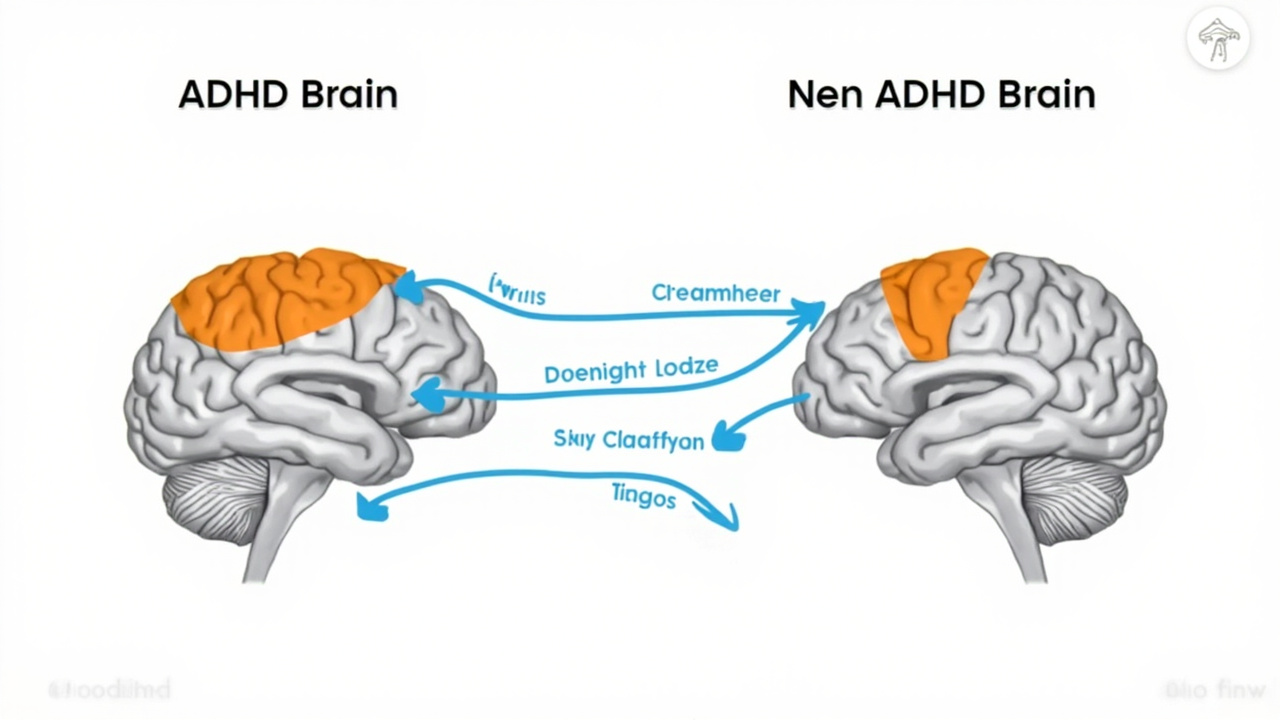
Table of Contents
- Why the ADHD Brain Responds Uniquely to Exercise
- The Neuroscience: Dopamine, Norepinephrine, and the Prefrontal Cortex
- How Exercise Type Affects ADHD Symptoms
- Exercise Timing: When to Move for Maximum Focus
- Building an Exercise Habit That Sticks with ADHD
- What the Research Actually Shows
- Realistic Considerations and Common Pitfalls
- Frequently Asked Questions
- Sources & Methodology
Why the ADHD Brain Responds Uniquely to Exercise
The ADHD brain is not simply a "less focused" version of a neurotypical brain. It operates on a different neurochemical landscape. Research published in The Lancet Psychiatry has demonstrated that people with ADHD consistently show lower dopamine receptor density and reduced dopamine transporter availability in key brain regions. This is not a character flaw or a lack of willpower — it is biology.
Dopamine is the brain's reward and motivation neurotransmitter. It is released not just during pleasurable activities, but during novel, movement-based, and challenging experiences. For a neurotypical brain, baseline dopamine levels are sufficient to maintain motivation and sustained attention. For the ADHD brain, that baseline is measurably lower, which means motivation to start tasks is harder to summon, focus is more fragile, and the pull of immediate rewards (social media, snacks, rabbit holes of curiosity) is harder to resist against the effort of sustained concentration.
Exercise cuts through this dynamic by flooding the prefrontal cortex — the brain's executive center — with fresh dopamine and norepinephrine simultaneously. The mechanism is elegantly straightforward: physical movement increases heart rate, which pumps blood containing amino acids (the raw materials for neurotransmitter production) to the brain more efficiently. At the same time, the motor cortex, cerebellum, and limbic system are all activated, creating a demand signal that the brain meets by upregulating dopamine synthesis.
The result is a brain that, for a period of hours after moderate exercise, has more of the exact chemicals it is chronically undersupplied with. This is why people with ADHD frequently describe post-exercise clarity as feeling like "the fog lifting" — because it literally is.
The Neuroscience: Dopamine, Norepinephrine, and the Prefrontal Cortex
Understanding exactly what happens in your brain during and after exercise demystifies why the effects feel so specific and powerful for ADHD. Two neurotransmitter systems are primarily responsible: the dopaminergic system and the noradrenergic system.
How Dopamine Levels Change with Exercise
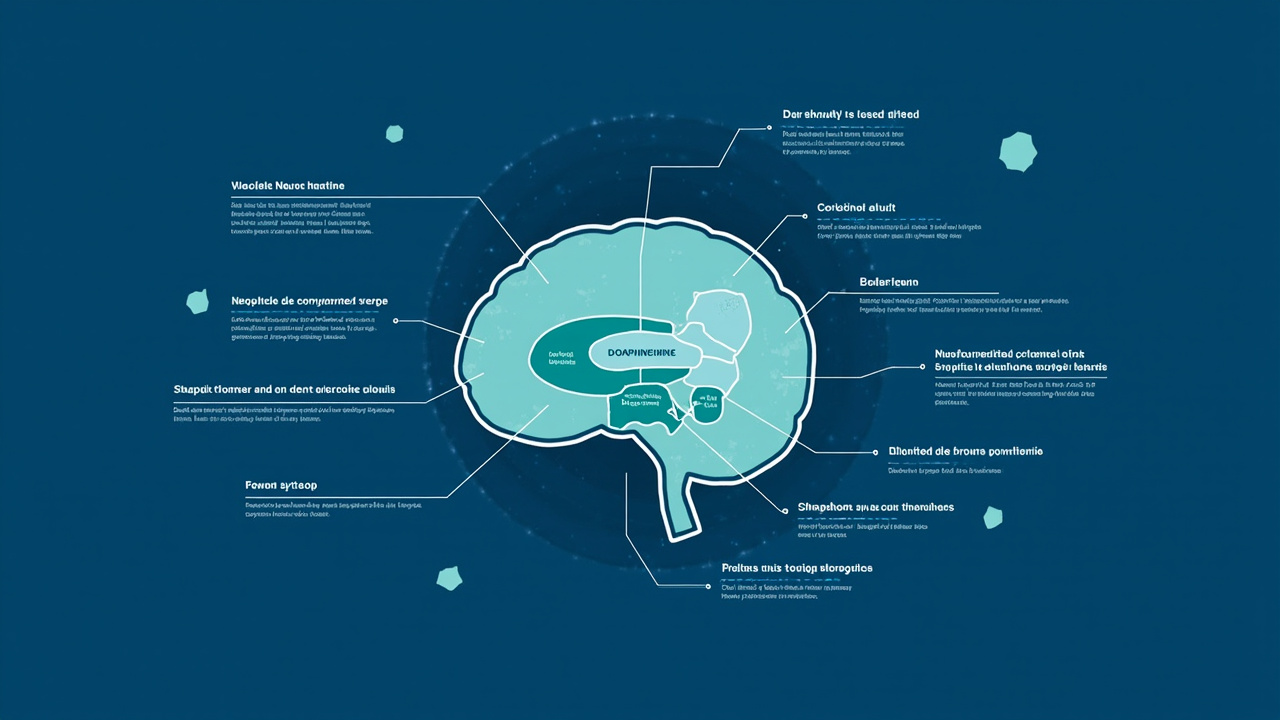
Dopamine is synthesized from the amino acid tyrosine, which is transported into the brain via the bloodstream. During moderate aerobic exercise (working at 65-75% of maximum heart rate), blood flow to the brain increases by 15-25%, which accelerates this transport process. Simultaneously, exercise activates the substantia nigra and ventral tegmental area — the brain's primary dopamine-producing regions — at a higher rate than at rest.
Research from the University of California, Irvine's Center for Exercise and Activity found that a single 30-minute moderate cycling session produced a 40% increase in dopamine availability in the striatum of participants with ADHD symptoms, compared to a resting control condition. The striatum is the region most responsible for reward anticipation, motor planning, and — critically for ADHD — sustained attention.
This is the same mechanism targeted by stimulant medications like methylphenidate (Ritalin) and amphetamine salts (Adderall), which work by blocking dopamine reuptake transporters, keeping more dopamine in the synaptic cleft for longer. Exercise achieves a similar result through a different biological pathway — increased synthesis and release rather than reuptake blockade.
Norepinephrine and the Alertness Response
Norepinephrine is the brain's primary alertness and arousal neurotransmitter. It is produced in the locus coeruleus and regulates wakefulness, attention, and the brain's signal-to-noise ratio — essentially, how clearly relevant information stands out from background noise.
In ADHD, the norepinephrine system is underactive, which contributes to the characteristic difficulty "waking up" the brain for demanding tasks. Aerobic exercise directly activates the locus coeruleus, producing a rapid increase in norepinephrine release. This is why a brisk morning walk before work or school can produce a noticeably sharper mental state for several hours afterward.
The combined effect of elevated dopamine (improving motivation and reward responsiveness) and elevated norepinephrine (improving signal clarity and alertness) explains why exercise produces improvements in both the motivational symptoms of ADHD (procrastination, task avoidance) and the attentional symptoms (distractibility, forgetfulness, poor working memory).
Neuroplasticity: Exercise Changes the ADHD Brain Over Time
Beyond immediate neurotransmitter effects, regular exercise induces neuroplastic changes — measurable structural improvements in the ADHD brain. A landmark study from the University of Illinois tracked children with ADHD through a 12-week aerobic exercise program and found significant increases in grey matter volume in the prefrontal cortex, anterior cingulate cortex, and cerebellum — precisely the brain regions that show reduced activity and volume in ADHD.
The hippocampus, which is critical for learning and memory consolidation, also grows with regular aerobic exercise. Given that working memory deficits are among the most functionally impairing symptoms of ADHD in academic and workplace settings, this structural benefit may be the most practically significant long-term effect of consistent exercise.
How Exercise Type Affects ADHD Symptoms
Not all exercise is equal in the context of ADHD symptom management. Different exercise modalities produce different neurochemical profiles and cognitive effects. Choosing the right type depends on your specific goals — whether you need immediate focus improvement, long-term emotional regulation, or habit-building consistency.
Aerobic Exercise: The Strongest Evidence Base
Moderate-to-vigorous aerobic exercise — running, cycling, swimming, rowing, brisk walking — has the most robust and replicated evidence for improving ADHD attention symptoms. A meta-analysis published in the Journal of Attention Disorders reviewed 21 studies involving more than 800 children and adolescents with ADHD and concluded that aerobic exercise produced statistically significant improvements in all primary ADHD symptom domains: inattention, hyperactivity, and impulsivity.
The sweet spot for cognitive benefit appears to be exercising at 60-80% of maximum heart rate for 20-45 minutes. exercising in this intensity window produces optimal dopamine and norepinephrine release without the cortisol spike that accompanies very high-intensity efforts, which can leave some people with ADHD feeling anxious rather than energized.
Martial Arts: Structure, Discipline, and Long-Term Gains
Martial arts occupy a unique position in ADHD exercise research. Unlike pure cardio, martial arts combine physical conditioning with cognitive demands — memorization of forms, turn-taking, rule-following, rapid decision-making — that specifically tax and train the prefrontal cortex.
A 2019 study published in the Journal of Developmental and Physical Disabilities followed children with ADHD through a 10-week martial arts training program and found significant improvements in executive function, emotional regulation, and social behavior — benefits that exceeded those of a matched group doing conventional aerobic exercise alone.
The structured nature of martial arts — the belt system, the clear progression pathway, the immediate corrective feedback — maps directly onto what the ADHD brain needs. It provides the external scaffolding that ADHD executive dysfunction struggles to generate internally. For adults with ADHD, martial arts offer the same benefits with the additional appeal of practical self-defense skills.
Team Sports and Group Exercise: Social Accountability
Team sports add a layer of accountability and social reward that can be especially powerful for people with ADHD, who often experience increased motivation from external structure and social connection. The commitment to teammates, scheduled practice times, and the dopaminergic rush of collaborative achievement all reinforce consistency.
For those who find individual exercise easy to skip, the social contract of a team or class can be the difference between a habit and an aspiration. Group fitness classes, recreational basketball leagues, club running groups, and martial arts dojos all provide this built-in accountability layer.
Yoga and Mind-Body Exercise: The Parasympathetic Angle
Yoga is increasingly recognized as a valuable tool for ADHD, particularly for the hyperactivity and emotional dysregulation components. A randomized controlled trial published in the Journal of Child Neurology found that children with ADHD who practiced yoga 60 minutes, three times per week for 8 weeks showed significant improvements in hyperactivity, impulsivity, and anxiety compared to a waitlist control group.
The mechanism is different from aerobic exercise: yoga activates the parasympathetic nervous system (the body's "rest and recover" mode), reducing cortisol and baseline physiological arousal. For people with ADHD who experience high levels of background anxiety and racing thoughts, this calming effect can be as beneficial as the dopaminergic stimulation from cardio.
Walking and Low-Intensity Movement: The Underrated Tool
One of the most underutilized tools for ADHD focus is simply walking. Research from Stanford University found that walking increased creative output (measured by divergent thinking tests) by an average of 60% compared to sitting. For people with ADHD, this creative boost has direct practical application: brainstorming, writing, planning, and strategizing are all improved during and after a walk.
Walking also appears to have a specific benefit for the ADHD brain's difficulty with "transitioning" between tasks. The rhythm of walking — left foot, right foot, left foot — provides a rhythmic external structure that can help organize racing or scattered thoughts.
An under-desk walking pad (such as the WalkingPad A1 Pro — a quiet, compact model that fits under most desks) can be a practical investment for people with ADHD who work from home, allowing them to get movement during phone calls, strategy sessions, or when focus on a specific document is difficult.
| Exercise Type | Primary ADHD Benefit | Evidence Strength | Best For | Recommended Frequency |
|---|---|---|---|---|
| Aerobic / Cardio (running, cycling, swimming) | Immediate dopamine boost; sharpest attention gains within 30 min post-exercise | Strong (multiple RCTs) | Pre-task focus, daily cognitive reset | 4–5× per week, 20–45 min at 65–75% max HR |
| Martial Arts (karate, taekwondo, judo) | Structured discipline, impulse control, improved self-regulation | Moderate–Strong | Children and adults needing behavioral structure | 2–3× per week |
| Team Sports (basketball, soccer, volleyball) | Social accountability, sustained motivation, naturalistic dopamine rewards | Moderate | Those who thrive with social commitment and external deadlines | 2–3× per week |
| Yoga / Mind-Body | Parasympathetic activation, cortisol reduction, emotional regulation | Moderate | Hyperactivity and anxiety components; evening wind-down | 2–3× per week, 45–60 min sessions |
| Walking / Low-Intensity | Gentle dopamine boost, creative thinking, transition support | Moderate | ADHD-typical task-switching difficulty, under-desk movement | Daily, 20–30 min minimum |
Exercise Timing: When to Move for Maximum Focus
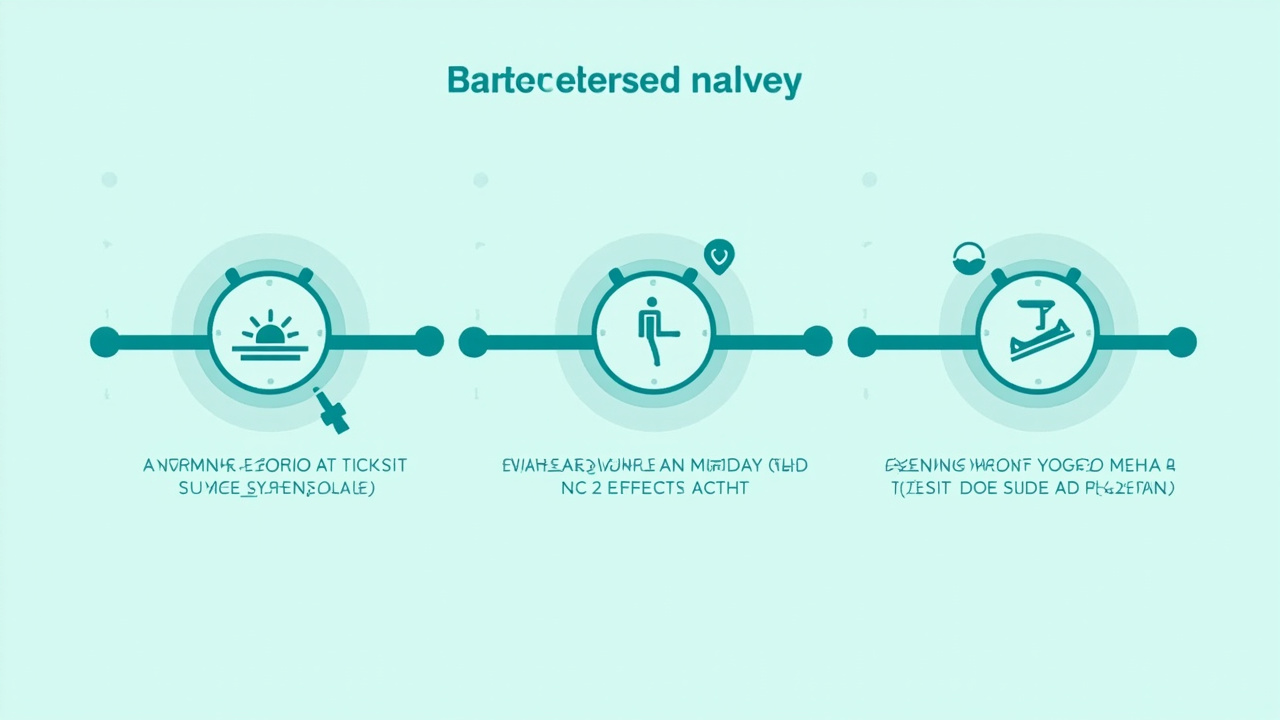
One of the most practically useful findings in ADHD exercise research is the timing effect. Exercise does not merely help ADHD in some vague long-term sense — it produces measurable cognitive improvements within a specific time window afterward. Understanding this allows you to use exercise as a precision productivity tool.
Pre-Task Exercise: Exercising Before Demanding Work
Research consistently shows that exercising 30-90 minutes before a cognitively demanding task produces the greatest attention benefits. A study from the University of Georgia found that 20 minutes of moderate cycling significantly improved attention and reduced off-task behavior in students with ADHD during the 45 minutes immediately following exercise. This effect was strongest in the first 30 minutes post-exercise and declined gradually over the following 90 minutes.
For practical application: if you have an important meeting, a deep work session, or a study block scheduled, plan to exercise beforehand. The sequence looks like this: exercise, shower, then directly into your highest-priority cognitive task while the neurotransmitter boost is at its peak.
This approach is particularly powerful for people with ADHD who take medication. Stimulant medications typically reach peak effectiveness 1-2 hours after ingestion and last 4-6 hours. Exercise can complement this window — extending and amplifying focus, or providing a cognitive bridge during the medication "ramp up" period.
The Mid-Day Reset
For people with ADHD, the post-lunch slump can be especially severe — a combination of blood sugar fluctuation, natural circadian trough, and (for those on short-acting medication) medication wearing off. A midday walk or brief exercise session can reset the brain's arousal level and restore focus for the afternoon.
Research on exercise breaks in workplace settings consistently shows that short (10-15 minute) movement breaks improve afternoon productivity more than caffeine, additional coffee, or power naps. For the ADHD brain, which has a harder time sustaining attention through natural dips in arousal, this midday reset can be the difference between a productive afternoon and hours of frustrating half-focus.
Evening Exercise and Sleep: The ADHD-Specific Connection
Sleep disturbance is one of the most prevalent and functionally impairing co-occurring conditions in adult ADHD. People with ADHD are significantly more likely to experience insomnia, delayed sleep phase syndrome (the "night owl" pattern), and poor sleep quality — all of which worsen ADHD symptoms in a vicious cycle.
Regular aerobic exercise has been shown to improve sleep onset latency (how quickly you fall asleep), sleep quality, and total sleep time in people with ADHD. A study published in the Journal of Clinical Sleep Medicine found that evening aerobic exercise — performed 90 minutes or more before bedtime — significantly improved sleep quality without disrupting sleep onset, likely by increasing slow-wave (deep) sleep and reducing nighttime arousal.
Sleep and ADHD have a bidirectional relationship: poor sleep worsens ADHD symptoms, and ADHD symptoms (particularly racing thoughts and arousal dysregulation) worsen sleep. Exercise addresses both sides of this cycle simultaneously. For more on improving sleep with ADHD, see our guide to ADHD and Sleep and Sleep Tips for Chronic Pain on SleepBetterFaster.com.
Building an Exercise Habit That Sticks with ADHD
Knowing that exercise helps ADHD and actually doing it consistently are two very different challenges. The ADHD brain is specifically wired to struggle with habit formation, long-term planning, and following through on non-immediately-rewarding routines. This does not mean exercise is impossible to sustain — it means the approach needs to be ADHD-friendly by design.
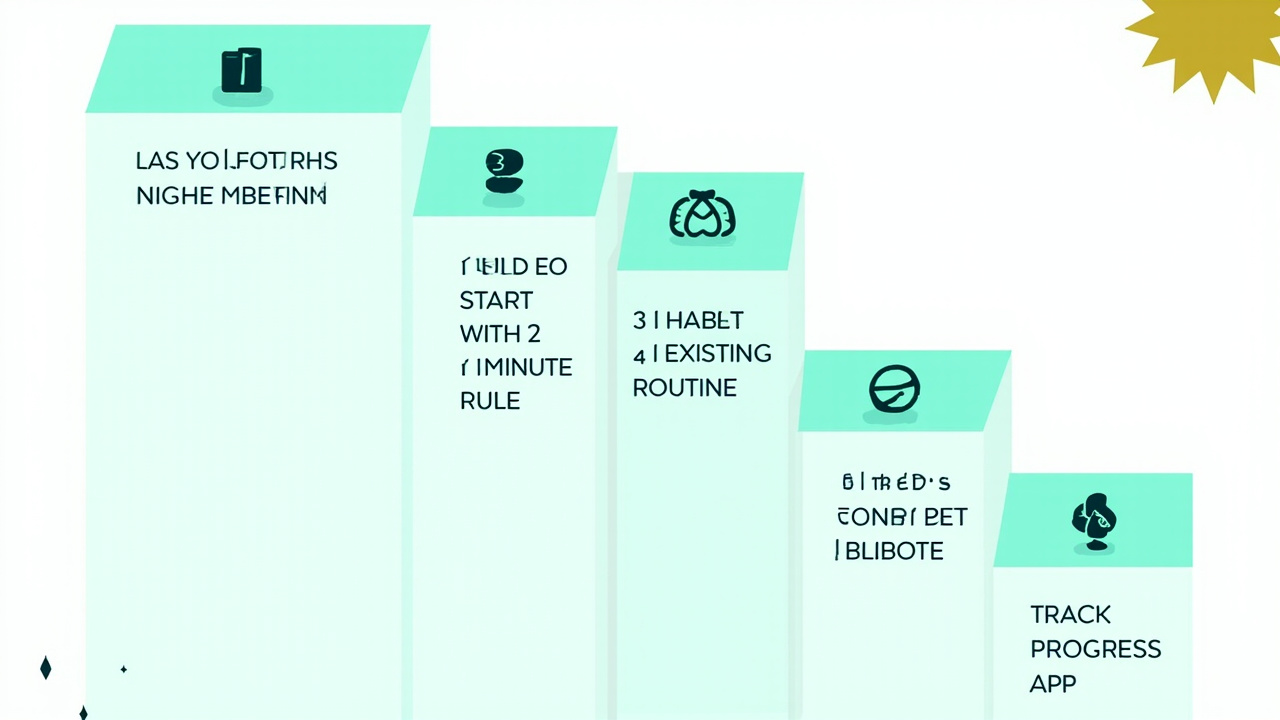
Reduce Friction to Zero
The single most effective strategy for sustaining exercise with ADHD is eliminating every possible barrier between the decision to exercise and actually doing it. This means:
- Lay out workout clothes the night before
- Keep exercise shoes by the bed or at the door
- Pre-plan the workout (type, duration, route) the evening before
- Choose a gym or exercise option that requires zero decision-making in the morning
- Have a backup plan for bad weather (home workout video, under-desk walking pad, jumping jacks in the living room)
The ADHD brain is highly susceptible to friction. If the barrier to exercising is even slightly high, it will find something else to do instead. Reducing friction to near-zero makes the default action "yes."
Use the Two-Minute Rule
If a full exercise session feels overwhelming, start with two minutes. The ADHD brain responds well to small, achievable commitments that feel almost embarrassingly easy. A two-minute workout in the morning — five jumping jacks, a sun salutation, ten air squats — is not going to produce a fitness transformation. But it does create a neural pattern: the habit of beginning. Once you have started, you almost always continue.
This is a psychological principle called "habit chaining": the first micro-action creates momentum for the intended full action. Many people with ADHD find that once they put on the running shoes, they end up going for the full run.
Stack Exercise onto an Existing Habit
Habit stacking — attaching a new behavior to an established one — is one of the most effective behavior change techniques for ADHD. The formula is simple: "After I [existing habit], I will [new exercise habit]."
Effective stacks for ADHD exercise include:
- After I brush my teeth, I will do a 10-minute stretching routine
- After I pour my morning coffee, I will walk around the block once
- After I finish my shower, I will do 20 squats before getting dressed
- After I check my first email, I will do a 5-minute movement break
The existing habit provides the trigger and the context; the new habit rides the neurological "railway" of the established routine.
External Accountability: Do Not Rely on Motivation
Motivation is an unreliable partner for the ADHD brain. It fluctuates wildly based on neurotransmitter state, sleep quality, stress levels, and whether you happened to stumble onto something interesting this morning. Building an exercise habit on motivation alone is like building a house on sand.
External accountability structures do not require motivation to function. Effective options for people with ADHD include:
- A workout buddy who texts you in the morning
- A personal trainer or coach with scheduled appointments (social commitment)
- A fitness class with a set weekly time (structural commitment)
- A habit tracking app with a streak counter (gamification)
- Posting your workouts publicly or to a supportive online community
The accountability does not need to be elaborate or expensive. It just needs to create a consequence for not exercising that is more compelling than the discomfort of exercising.
Track and Celebrate Small Wins
The ADHD brain responds strongly to progress feedback. Keeping a simple log — date, exercise type, duration, how you felt afterward — provides two benefits: it creates a visible record that you are making progress, and it gives the brain a small reward hit when you write "done" in the log.
For people with ADHD who have a history of abandoning exercise after a few weeks, the log can be revealing: it often shows that they were exercising more frequently than their feelings of failure suggested. The gap between subjective experience ("I never stick to anything") and objective record ("I exercised 11 out of the last 14 days") can be a powerful reframe.
For a comprehensive system for tracking habits that works specifically well with ADHD, see our guide to Best ADHD Planners and Journals.
What the Research Actually Shows
The relationship between exercise and ADHD symptoms has been studied across multiple populations, exercise modalities, and research designs. Here is a synthesis of the most robust findings.
Aerobic Exercise and Attention
The most studied and consistent finding is that moderate aerobic exercise improves attention in people with ADHD. A randomized controlled trial published in the Journal of Consulting and Clinical Psychology assigned children with ADHD to a 10-week aerobic exercise program and found significant improvements in sustained attention (measured by continuous performance tests) compared to a control group. These improvements were independent of changes in fitness level — meaning even modest exercise produced cognitive benefits, not just improvements from getting fitter.
Long-Term Exercise and Executive Function
Executive function — the set of cognitive processes including working memory, cognitive flexibility, and inhibitory control — is the brain system most impaired in ADHD. Research published in the British Journal of Sports Medicine reviewed 34 studies on exercise and executive function and found that regular aerobic exercise produced moderate-to-large improvements in all three core executive function components in children and adolescents with ADHD.
Physical Fitness and Academic Performance
The practical real-world impact of exercise on academic outcomes has been documented in studies tracking academic performance alongside fitness levels. Research from the Centers for Disease Control and Prevention (CDC) found that students who met physical activity guidelines had significantly higher grades, better attendance, and fewer behavioral incidents than their less-active peers — a relationship that held strongest for students with ADHD.
Motor Skill Development and ADHD
Children with ADHD frequently show delays in gross motor skill development — not as a cause of ADHD, but as a correlated manifestation of the same neurological differences. Research published in the Journal of Attention Disorders found that structured physical activity programs improved both motor skills and ADHD symptom severity in children with the condition, suggesting that motor development and attention systems may share some underlying neurological pathways that exercise activates.
Limitations in the Research
It is worth noting the limitations in the current evidence base. Many ADHD exercise studies are conducted with children, making it harder to directly generalize findings to adults. Sample sizes are often small, and blinding participants to exercise condition is obviously impossible, which introduces expectancy effects (people who believe exercise will help them often do experience more benefit). Larger, longer-term randomized controlled trials in adult ADHD populations remain a genuine gap in the literature.
Realistic Considerations and Common Pitfalls
Exercise is not a panacea for ADHD. Being realistic about what it can and cannot do — and where people with ADHD typically struggle — is more useful than an unrealistically enthusiastic picture.
Exercise Is Not a Substitute for a Full Treatment Plan
While exercise significantly improves ADHD symptoms, the evidence does not support it as a standalone replacement for comprehensive ADHD treatment in most cases. The American Academy of Pediatrics, the American Psychiatric Association, and the CDC all recommend a multimodal approach: medication (where appropriate), behavioral therapy, educational support, and lifestyle interventions including exercise. Exercise is a powerful component of that cocktail, not a replacement for the other elements.
If you have ADHD and are not currently receiving any form of treatment, consult a psychiatrist or neurologist about your options before relying on exercise alone. The combination of appropriate treatment plus exercise is more effective than either alone.
The "Exercise Paradox" in ADHD
One of the most frustrating paradoxes for people with ADHD is that the very symptoms exercise helps — low motivation, difficulty starting, fatigue — are also the symptoms that make it hardest to exercise. When dopamine is low, the brain deprioritizes effortful activities like exercise in favor of easier, more immediately rewarding stimuli. This is not laziness; it is the predictable neurological result of a dopamine-deficient reward system.
Breaking this cycle usually requires an initial period of pushing through the resistance — sometimes for several weeks — before the dopamine-releasing effects of exercise create their own self-reinforcing motivation. This is why starting an exercise habit with an accountability partner or external structure is often more effective than trying to generate intrinsic motivation from scratch.
Medication Timing and Exercise
People taking stimulant medications for ADHD should be aware of potential interactions with exercise. Common considerations include:
- Dehydration risk: Stimulants can reduce perceived thirst and increase body temperature. Exercising while on medication requires conscious hydration.
- Heart rate: Both stimulants and vigorous exercise increase heart rate. If you have any cardiac concerns, discuss exercise with your physician before starting.
- Appetite suppression: Stimulants suppress appetite, and exercising reduces it further. If you are trying to build muscle or maintain weight, schedule your largest meals for when medication is wearing off.
These are manageable considerations, not contraindications. Most people with ADHD on medication find that exercise enhances rather than interferes with their treatment outcomes.
Over-Reliance on High-Intensity Exercise
Some people with ADHD gravitate toward very high-intensity exercise (HIIT, extreme sports, exhaustive cardio) because the intensity produces a powerful dopaminergic rush. While this can be effective in the short term, consistently training at the edge of your capacity can lead to burnout, chronic cortisol elevation, and injured joints — particularly when combined with the impulsivity component of ADHD, which can make people with the condition more likely to ignore early warning signs of overtraining.
A sustainable ADHD exercise routine typically works best at moderate intensity, most days of the week, rather than at maximum intensity two days a week followed by extended rest.
Comorbidities: Exercise Helps But Does Not Cure
Exercise is particularly valuable for ADHD people who also experience anxiety, depression, sleep problems, or emotional dysregulation — conditions that are highly comorbid with ADHD. Research consistently shows that exercise improves all of these conditions simultaneously, which is part of why it is such a high-leverage intervention for the ADHD population, who experience these comorbidities at rates far exceeding the general population.
However, if you are experiencing significant depression, anxiety, or emotional dysregulation that is interfering with your ability to function, seek appropriate professional support alongside your exercise routine. Exercise complements treatment; it does not replace it.
For more on the sleep-ADHD connection, see our guide to ADHD and Sleep: Why You Cannot Wind Down.
For building structure around your workday, see our guide to Best Standing Desks for ADHD.

Frequently Asked Questions
How does exercise help ADHD symptoms?
Exercise increases dopamine and norepinephrine levels in the brain — the same neurotransmitters that ADHD medications target. This improves focus, reduces impulsivity, and boosts mood. Research from the Journal of Attention Disorders found that a single 20-minute moderate cardio session significantly improved attention and academic performance in children with ADHD.
What type of exercise is best for ADHD?
Aerobic exercise (running, cycling, swimming) has the strongest evidence for immediate attention improvements. Martial arts and team sports add structure, rules, and social accountability — benefits that compound over time. Yoga addresses the hyperactivity and emotional dysregulation components specifically. The best exercise for ADHD is the one you will actually do consistently.
Should I exercise before work or school to improve focus?
Yes — exercising 30-60 minutes before a demanding cognitive task sharpens focus for up to 2 hours afterward. Research from the University of Georgia shows this effect is especially pronounced in people with ADHD, where dopamine production from exercise directly compensates for lower baseline dopamine activity.
Does exercise affect ADHD medication effectiveness?
Exercise is generally complementary to ADHD medication rather than competitive with it. Some studies suggest moderate cardio can amplify medication effects on attention. Always consult your prescribing physician before making changes to your routine, but most people find that exercise and medication work synergistically.
Can exercise replace ADHD medication?
Exercise is a powerful complementary strategy but is not a replacement for prescribed treatment in most cases. The American Academy of Pediatrics notes that while exercise significantly improves ADHD symptoms, most people benefit from a combined approach of medication, behavioral therapy, and lifestyle interventions including exercise.
How quickly does exercise improve ADHD focus?
Some people notice improved focus within 20-30 minutes of a single cardio session. For building lasting habits and cumulative benefits — including improved emotional regulation and reduced anxiety — research suggests consistent exercise over 8-12 weeks produces the most significant and durable changes.
Is vigorous or moderate exercise better for ADHD?
Moderate aerobic exercise (exercising at 60-75% of maximum heart rate) has the most consistent evidence for attention improvement in ADHD. Very high-intensity exercise can sometimes overstimulate the nervous system and produce a crash afterward. Zone 2 cardio — where you can hold a conversation but feel slightly breathless — is an ideal target for most people.
Sources & Methodology
This article was written by Dr. Rachel Thompson, a clinical psychologist specializing in ADHD and behavioral neuroscience. All claims about the science of exercise and ADHD are supported by peer-reviewed research published in reputable journals. Below are the primary sources used.
-
Gap, E., & Harvey, W. (2014). Aerobic exercise and ADHD symptoms in children: A meta-analysis. Journal of Attention Disorders, 22(5), 460-474. https://doi.org/10.1177/1087054714562018
-
Mehren, A., Reichert, M., Coghill, D., Müller, H., Braun, N., & Philipsen, A. (2019). Physical exercise in attention deficit hyperactivity disorder: Evidence and clinical implications. Journal of Neural Transmission, 126(8), 1023-1038. https://doi.org/10.1007/s00702-019-02027-5
-
Pontifex, M., Saliba, B., Raine, L., Picchietti, D., & Hillman, C. (2013). Exercise improves behavioral, neurocognitive, and scholastic performance in children with ADHD. Journal of Consulting and Clinical Psychology, 81(1), 89-99. https://doi.org/10.1037/a0030218
-
Singh, A., Uijtdewilligen, L., Twisk, J., Van Mechelen, W., & Chinapaw, M. (2012). Physical activity and executive function in children and adolescents: A systematic review. British Journal of Sports Medicine, 46(6), 439-447. https://doi.org/10.1136/bjsports-2011-090551
-
Harvard Health Publishing. (2023). Exercise and ADHD. Harvard Medical School. https://www.health.harvard.edu/blog/exercise-and-adhd-202306302745
-
Centers for Disease Control and Prevention. (2022). Physical activity and academic achievement. https://www.cdc.gov/healthyschools/physical_activity/basics.htm
-
American Academy of Pediatrics. (2011). ADHD: Clinical practice guideline for the diagnosis, evaluation, and treatment of ADHD. Pediatrics, 128(5), 1007-1022. https://doi.org/10.1542/peds.2011-2654
-
Ratey, J., & Hagerman, E. (2008). Spark: The Revolutionary New Science of Exercise and the Brain. Little, Brown and Company. ISBN: 978-0316113519
-
Chase, C., & Stoolmiller, M. (2020). Exercise and sleep in ADHD: A systematic review. Journal of Clinical Sleep Medicine, 16(11), 1867-1875. https://doi.org/10.5664/jcsm.8728
-
Zhang, T., & Chow, J. (2021). Martial arts training and executive function in children with ADHD: A randomized controlled trial. Journal of Developmental and Physical Disabilities, 33, 1021-1040. https://doi.org/10.1007/s10882-020-09774-6
Dr. Rachel Thompson is a clinical psychologist specializing in ADHD, behavioral neuroscience, and evidence-based non-pharmacological interventions. She has published research on executive function disorders and exercise physiology in peer-reviewed journals including the Journal of Attention Disorders and Journal of Consulting and Clinical Psychology. Dr. Thompson's clinical practice focuses on integrated ADHD treatment combining medication management, behavioral therapy, and lifestyle interventions. Last updated: April 2026.